Dental Implants in Gloucester

If you’re worried about pain or feel anxious about dental treatment, you’re not alone — and we’re here to help.

At The Limes Dental Practice, we take a gentle, patient-first approach — ensuring you feel comfortable, informed, and supported at every stage of your treatment.

Dental implants provide a secure, natural-looking solution that allows you to eat, speak, and smile with confidence again.
60+ Years of Clinical Experience
Advanced Implant Treatment Options
Trusted Private Dental Practice in Gloucester
Transparent Pricing & Personalised Care
★★★★★ 4.9★ from 200+ local patients Read Our Google Reviews →

Dental Implant Options

Single Tooth Implant

  • Replace one missing tooth
  • Natural look and feel
Book Your Consultation

Multiple Implants

  • Replace several missing teeth
  • Fixed and stable solution
Book Your Consultation

Full Arch / Implant-Supported Dentures

  • Replace all teeth
  • Secure alternative to removable dentures
Book Your Consultation

How Much Do Dental Implants Cost?

Implant Placement from £995
Implant Crown from £895

Final cost depends on your individual case. We provide a full breakdown and treatment plan after your consultation.

Book your consultation

Implants vs Dentures and Bridges

Dentures

  • Removable appliance
  • Lower upfront cost
  • May feel less stable when eating or speaking

Bridges

  • Fixed solution
  • Uses neighbouring teeth for support
  • May require altering healthy teeth

Dental Implants

  • Independent from other teeth
  • Long-term solution
  • Closest to natural look and function

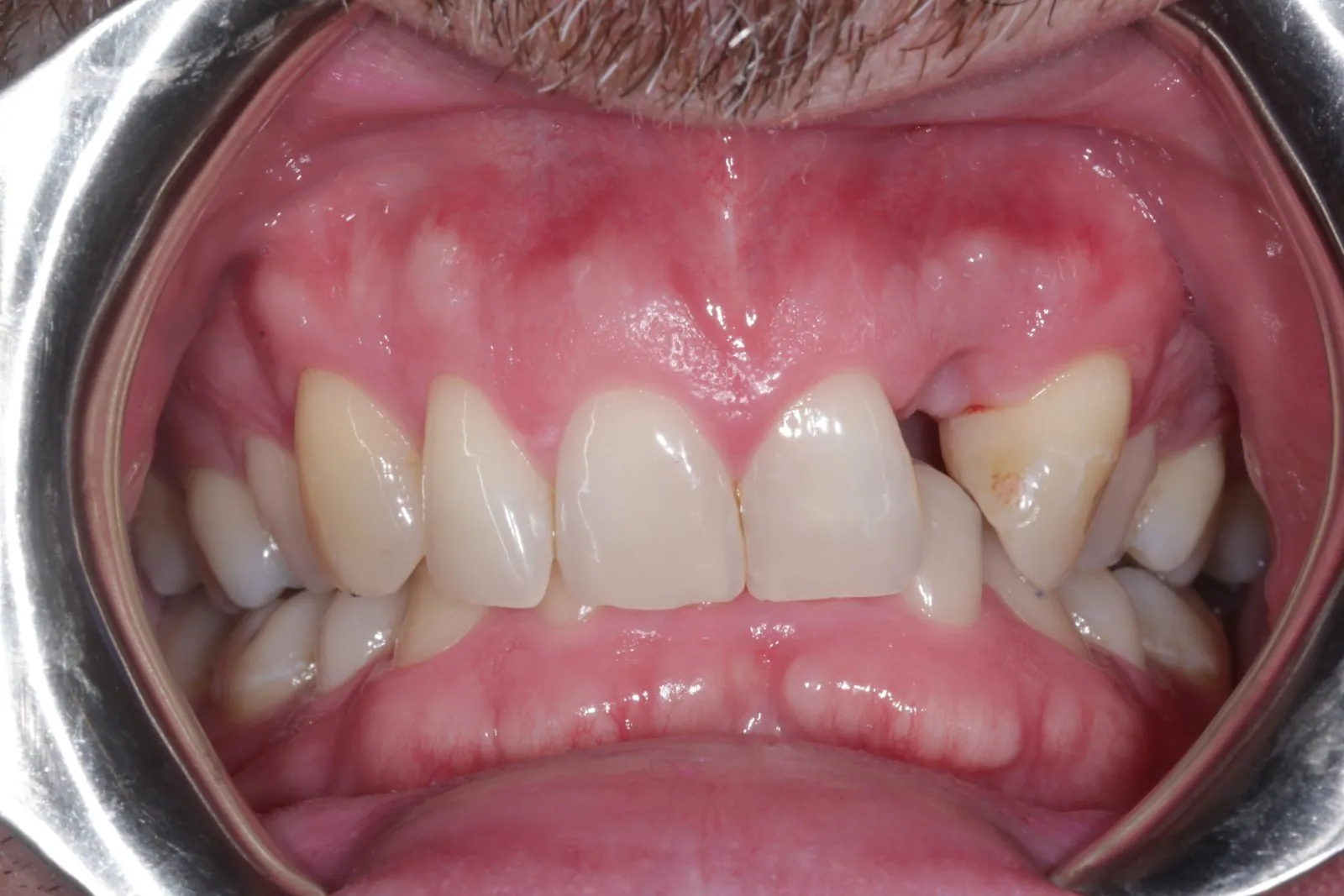
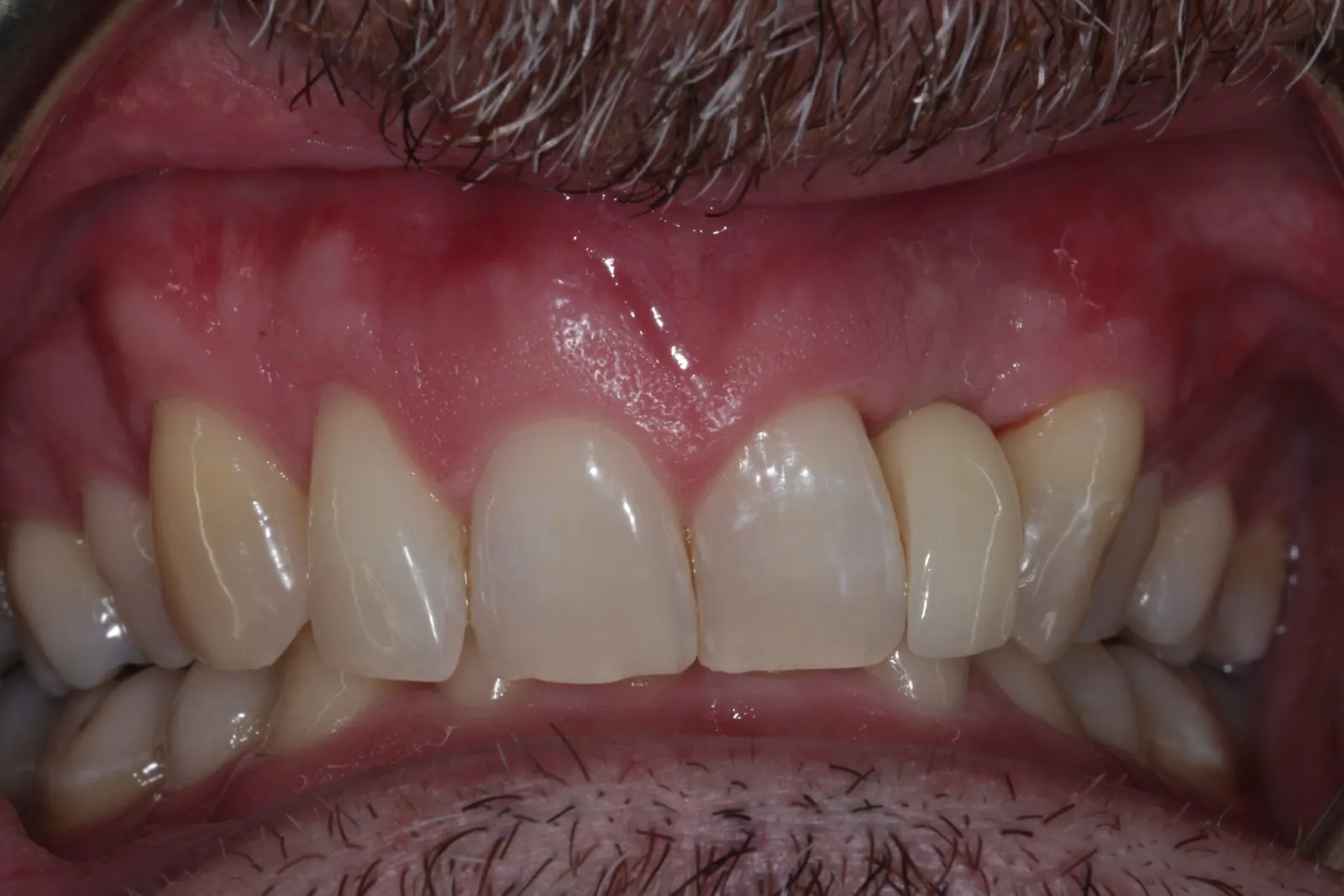
Real Patient Results

Dental Implant Patient

“I’ve never felt any pain at all. I would emphatically recommend Limes Dental Practice!”

What Is the Dental Implant Process?

01

Planning

The dentist takes impressions, x-rays and photos to plan implant placement. Additional scans may be required to assess bone and tissue. A model is created to guide the final position of your crown, bridge or denture.

Book Your Consultation
02

Surgery

Implant placement is carried out over two stages. The initial procedure takes 2–4 hours depending on complexity. The implant is placed into the jawbone, and bone grafting may be done if needed.

After 3–6 months, once healing is complete, the implant is prepared for the final crown, bridge or denture. All procedures are done under local anaesthesia.

03

Post-Surgery Care

You’ll receive clear aftercare instructions to reduce swelling and support healing. Stitches are typically removed after 7–10 days, and your dentist will monitor progress and adjust any temporary restorations.

04

Maintenance

Regular visits are essential to keep your implant healthy. Hygiene visits are recommended every 3–12 months, with dental check-ups every 6–12 months.

Please note: We are a fully private dental practice and do not offer NHS treatment.

Diagram showing how a dental implant replaces a missing tooth root

How Dental Implants Work

A dental implant replaces the root of a missing tooth and supports a natural-looking crown above the gum.

Made from biocompatible titanium, the implant integrates with your jawbone to create a strong, stable foundation. This allows you to eat, speak and smile with confidence—just like a natural tooth.

Once healing is complete, a custom-made crown, bridge or denture is securely attached to restore both function and appearance.

Which Type of Dental Implant Is Right for You?

Different types of implants are used depending on the position of the missing tooth and your individual needs. Your dentist will recommend the most suitable option for long-term success.

Tissue level dental implant

Tissue Level Implants

Typically used for back teeth, where strength and ease of maintenance are the priority.

  • Positioned at the gum level
  • Easier to clean and maintain
  • Less visible in the back of the mouth

In some cases, the metal edge may become visible if the gum recedes, though this is rarely a concern for posterior teeth.

Bone level dental implant

Bone Level Implants

Commonly used for front teeth, where aesthetics are more important.

  • Positioned at bone level for a natural appearance
  • Hidden beneath the gum for improved cosmetic results
  • Ideal for visible areas of the smile

They require slightly more precise maintenance but provide the most natural-looking outcome.

Frequently Asked Questions

Implants have a 97% success rate over 5 years or more in motivated patients with excellent oral hygiene and regular maintenance.

Success rates are lower in smokers. Ideally, you should stop smoking 6 months before surgery. Teeth grinding may also affect implant longevity, and protective devices may be recommended.

You must have one or more missing teeth, be a non-smoker, and be able to commit to several months of treatment. Your dentist will assess your suitability and discuss all available options.

As with any surgery, risks include swelling, bruising, and minor discomfort. Infection is possible but managed with proper care and antibiotics if needed. Careful planning reduces risks to surrounding structures.

Treatment is carried out under local anaesthesia. Your comfort is adjustable throughout the procedure—just let your dentist know your preferences.

Temporary replacement teeth are provided during the healing period to maintain comfort and appearance.

Crowns and bridges are attached using screws or cement. Dentures connect using special attachments such as bars or locators for stability.

Bone grafting techniques can be used to build up the implant site. This may include synthetic or natural materials, or procedures such as sinus lifts where needed.