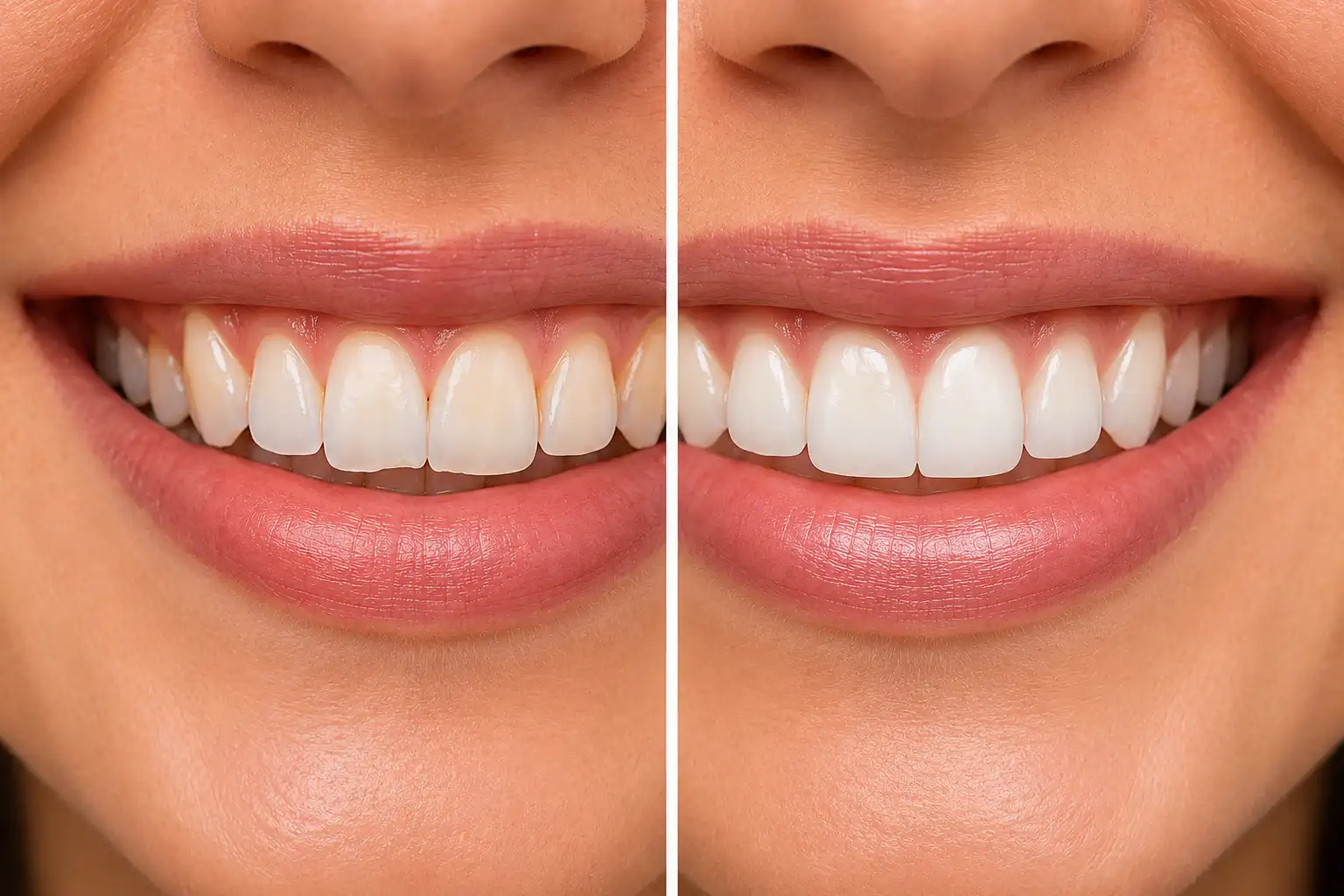
Reviewed by Dr Andrew Connolly BDS MSc Implant Dent, Principal Dental Surgeon · Limes Dental Practice · November 2026
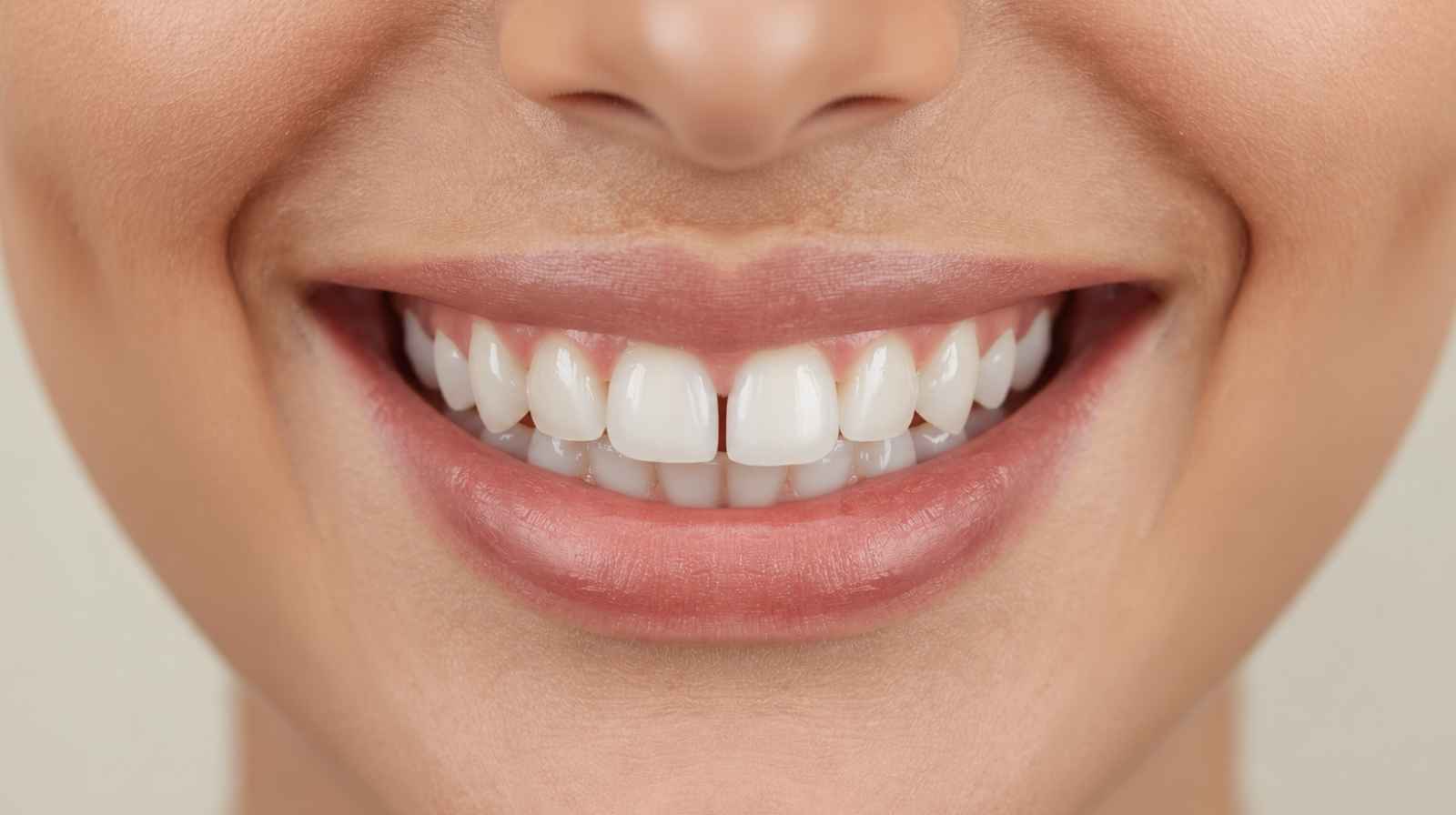
A gap between the front teeth is one of the most common reasons people ask about cosmetic dentistry. The short answer is yes, composite bonding can close many gaps. But it works best in certain situations, and not every gap is a good match.
Your dentist adds tooth-coloured resin to the sides of the teeth next to the space. The resin is shaped by hand, set with a curing light and polished to blend in. The gap closes because the teeth are made slightly wider, not because they are moved.
The process is usually quick and often needs little or no drilling. You can read more about composite bonding treatment at Limes.
Bonding suits small to moderate gaps. If you close a very wide space with resin alone, the teeth can end up looking too wide or square compared with their neighbours. The smile can look bulky rather than natural.
In larger cases, the gap can be shared between two or more teeth, or the teeth can be moved closer together first. Your dentist can judge this by looking at the proportions of your teeth. A photo from the side and a bite check help too.
There are a few situations where another approach gives a better result.
A proper examination answers these questions before any treatment is planned.
Each has trade-offs. Bonding is fast and the least invasive, but resin is less hard-wearing than porcelain. Clear aligners change the position of the natural teeth rather than their size, so they take longer. If you are comparing the first and third options, we have compared bonding with porcelain veneers in detail.
Sometimes the best answer combines methods. For example, aligners can close most of a space and bonding can refine the shape afterwards. We discuss costs for these options at your consultation, as they depend on the plan.
Bonding does not move your teeth, so it does not stop them drifting. A gap that opened because of tooth movement can open again, usually at the edge of the resin. Wearing a retainer after treatment can help. This is one reason we look at why the gap is there before suggesting a fix.
It depends on your bite, habits and how you care for it. Resin can stain and chip over time, and it may need polishing or repair. Our guide on how long bonding lasts explains what to expect.
For independent background reading, Healthline's overview of teeth bonding is a helpful starting point.
If you are bothered by a gap, the quickest way to find the right fix is a short assessment. We will look at the gap, your bite and your gums, and explain which options are sensible for you, with a written estimate before anything starts. You can book a cosmetic consultation with the team in Gloucester.