Reviewed by Dr Andrew Connolly BDS MSc Implant Dent, Principal Dental Surgeon · Limes Dental Practice · November 2026
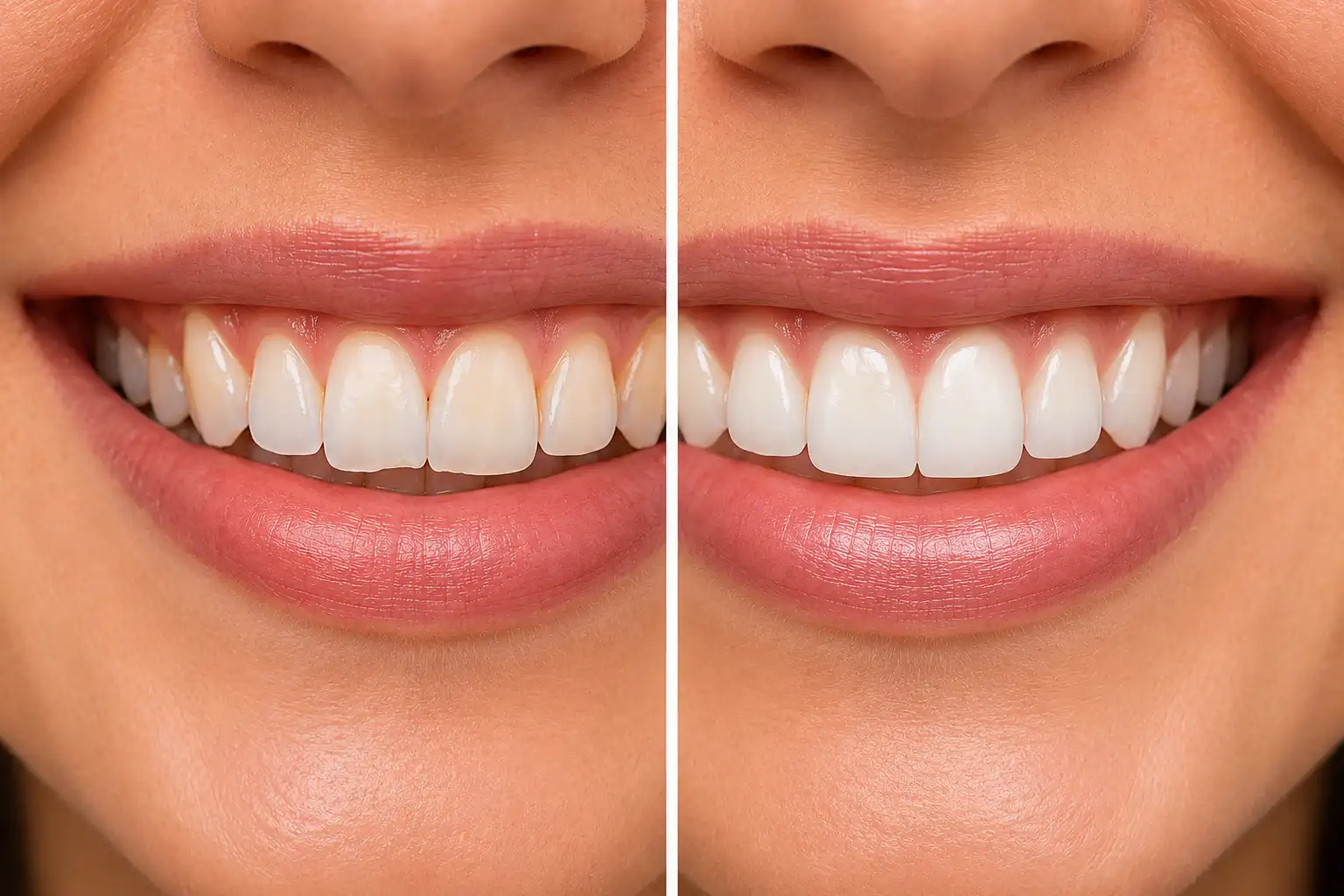
A small chip on a front tooth, or edges that have worn flat over the years, can change how your smile looks. Composite edge bonding is a simple way to rebuild those edges without a major procedure. Here is what it involves and whether it might suit you.
Composite edge bonding means adding tooth-coloured resin to the biting edge of a tooth. The dentist shapes it by hand, sets it with a special light and polishes it. The result blends into the rest of the tooth.
It is a more targeted version of the composite bonding at Limes we offer for wider smile changes. Instead of reshaping the whole front of the tooth, only the edge is rebuilt.
It is usually not the right tool for a tooth that has broken deep into its structure. In that case, a filling, crown or another treatment may be a stronger repair.
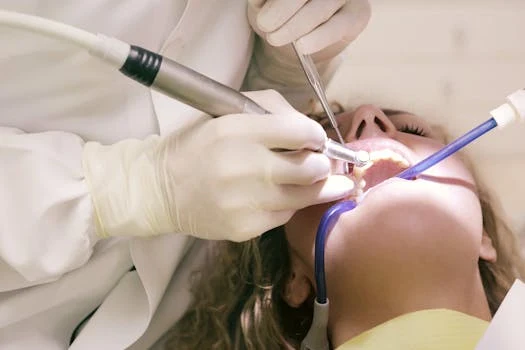
Most edge bonding is done in a single visit.
Because little or no tooth is removed, many patients find the treatment comfortable. Your dentist will tell you if any anaesthetic would help in your case.
Edge bonding tends to suit people who have:
Your bite matters too. If you grind or clench your teeth, resin on a biting edge takes a lot of force and may chip more often. Your dentist may suggest a night guard to protect the repair.
There is no single answer. It depends on where the bonding sits, your bite, your habits and how well you look after it. Biting edges take more daily force than other areas, so they can need repair or polishing over time. Our guide on how long bonding really lasts goes into this in more detail.
Bonding is quicker, less invasive and can usually be adjusted later. A porcelain veneer is more durable and stain-resistant but involves more preparation and a higher investment. If you are weighing the two, see our guide on how bonding compares with porcelain veneers.
For a general independent overview of the technique, WebMD's page on dental bonding is a useful read.
The cost depends on how many teeth need work and how much needs rebuilding, so we confirm it at your consultation. You will receive a clear written estimate before anything is done.
If a chipped or worn edge is bothering you, a quick assessment will tell you whether edge bonding is the right fix. You can read about our wider cosmetic dentistry at our Gloucester practice or book a cosmetic consultation.