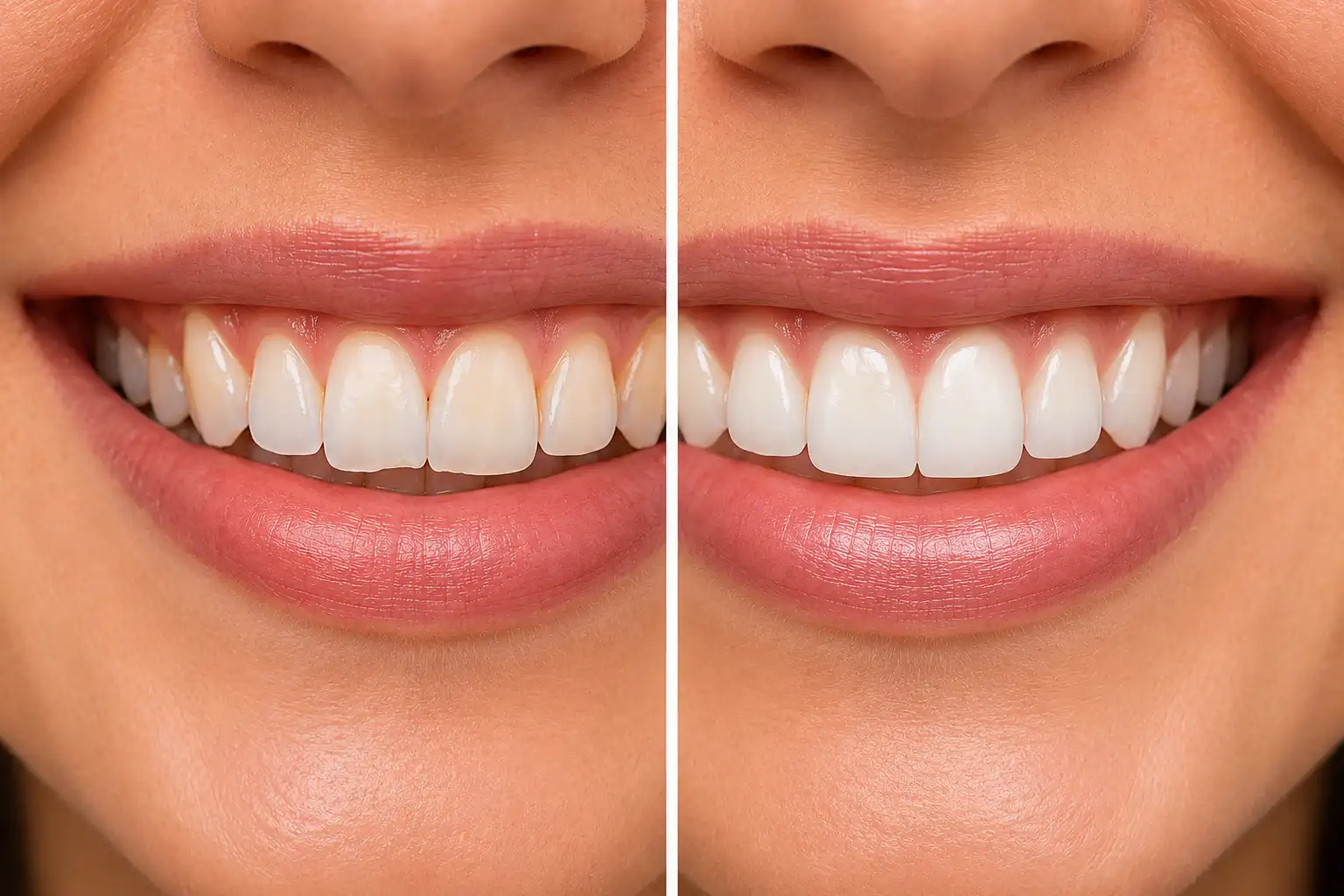
Reviewed by Dr Andrew Connolly BDS MSc Implant Dent, Principal Dental Surgeon · Limes Dental Practice · October 2026
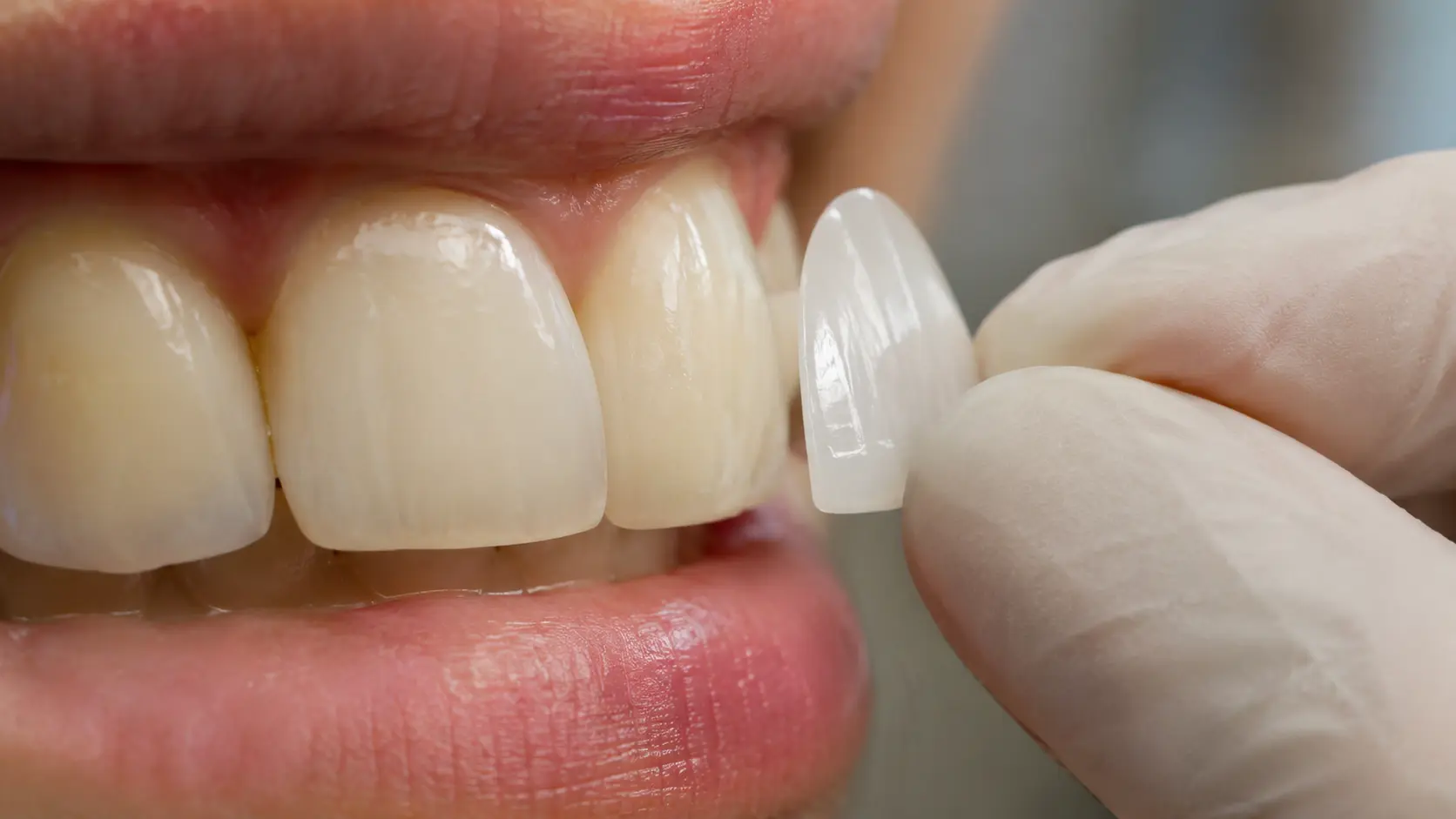
"Shaved down" is one of the first worries people have about veneers. It sounds drastic, and the pictures online do not help. The honest answer is that it depends on the type of veneer and your teeth. Here is what actually happens.
Most porcelain veneers need a little preparation. The dentist removes a thin layer of enamel from the front of the tooth, so the veneer sits flush and does not make the tooth look bulky. Without that space, the finished tooth can look too thick or stand out from its neighbours.
So "shaving" is really "gentle reshaping". It is carefully measured and usually limited to the outer layer of the tooth. You will be numbed, so it should not hurt.
Sometimes. Minimal-preparation or no-preparation veneers are thinner and need little or no enamel removal. They can suit teeth that are small, slightly worn or set back a little from the smile line.
They are not right for everyone. If a tooth is already prominent, crooked or dark, a very thin veneer may make it look bulky or fail to hide the colour underneath. Your dentist will assess this tooth by tooth rather than promise a single approach.
Enamel does not grow back. Once it is removed, the tooth will usually need a covering for life, whether that is a veneer or a replacement later. This is why it is worth thinking carefully before you start, and why a good dentist keeps the preparation as small as possible.
This does not make veneers a bad option. For many people, a well-made porcelain veneer lasts for many years and gives a very natural result. It simply means the decision should be informed.
Some people notice mild sensitivity between the preparation and the final fit. A temporary covering usually protects the tooth in the meantime. Most sensitivity settles once the veneers are bonded in place. If it does not, tell your dentist.
There are less invasive routes.
If you are deciding between the first option and veneers, our guide on how bonding compares with porcelain veneers sets them side by side.
You will not know for sure until a dentist looks at your teeth, bite and goals. A good consultation should show you what the preparation involves, what the alternatives are and what the end result is likely to look like, before you commit to anything.
For independent background, WebMD's overview of veneers is a useful read.
If you are curious about veneers, start with a conversation, not a commitment. We will explain how each option works for your teeth and give you a written estimate for anything you choose. You can read more about dental veneers or our wider cosmetic dentistry, or book a veneer consultation.