Reviewed by Dr Andrew Connolly BDS MSc Implant Dent, Principal Dental Surgeon · Limes Dental Practice · June 2026
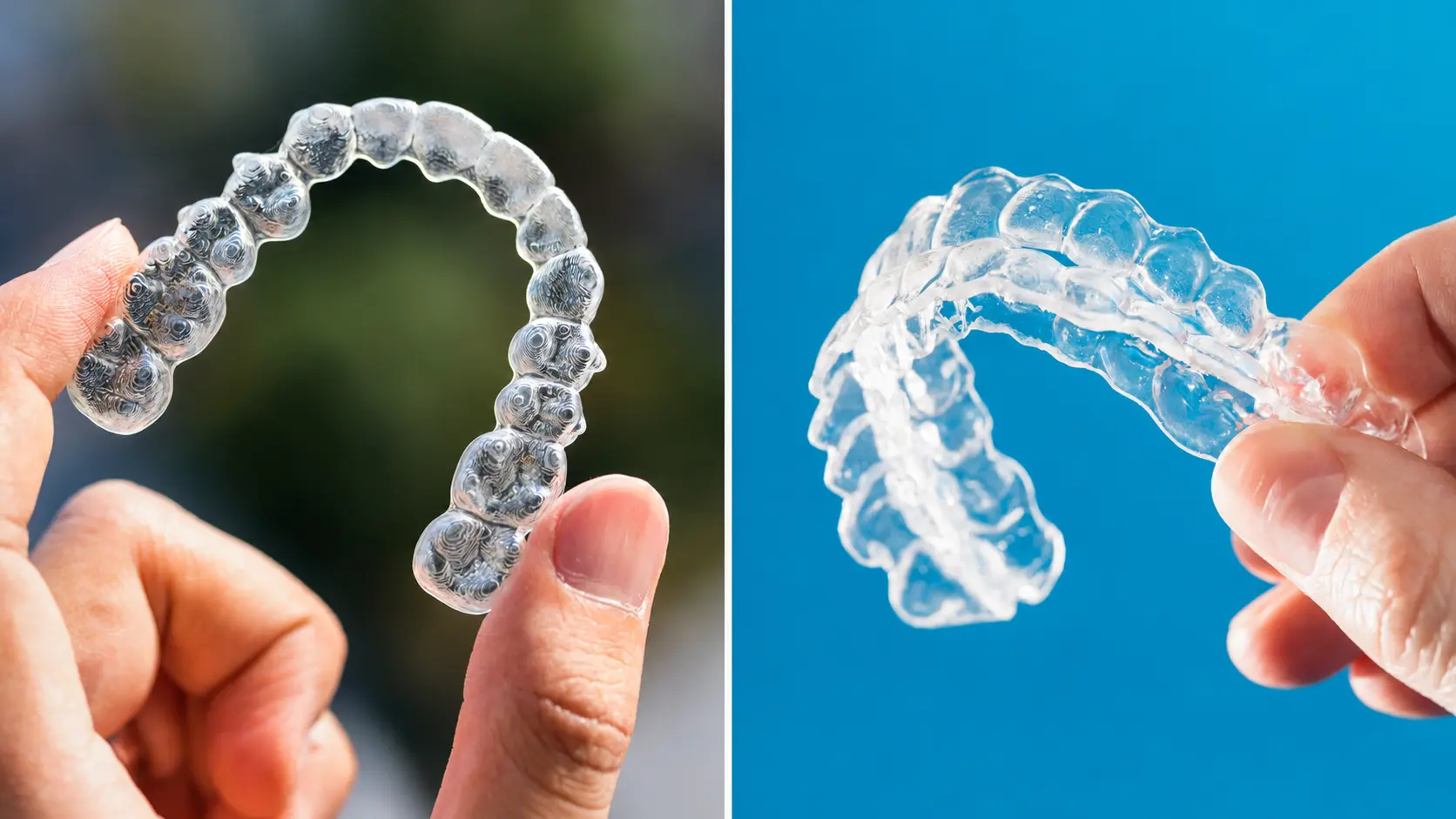
If you have been researching teeth straightening options, you have probably encountered both "Invisalign" and "clear aligners" — often used interchangeably, as though they mean the same thing. They do not. Invisalign is a specific brand of clear aligner. Clear aligners is the broader category. This distinction matters when you are comparing options and deciding what is right for you. Here is a plain-English breakdown.
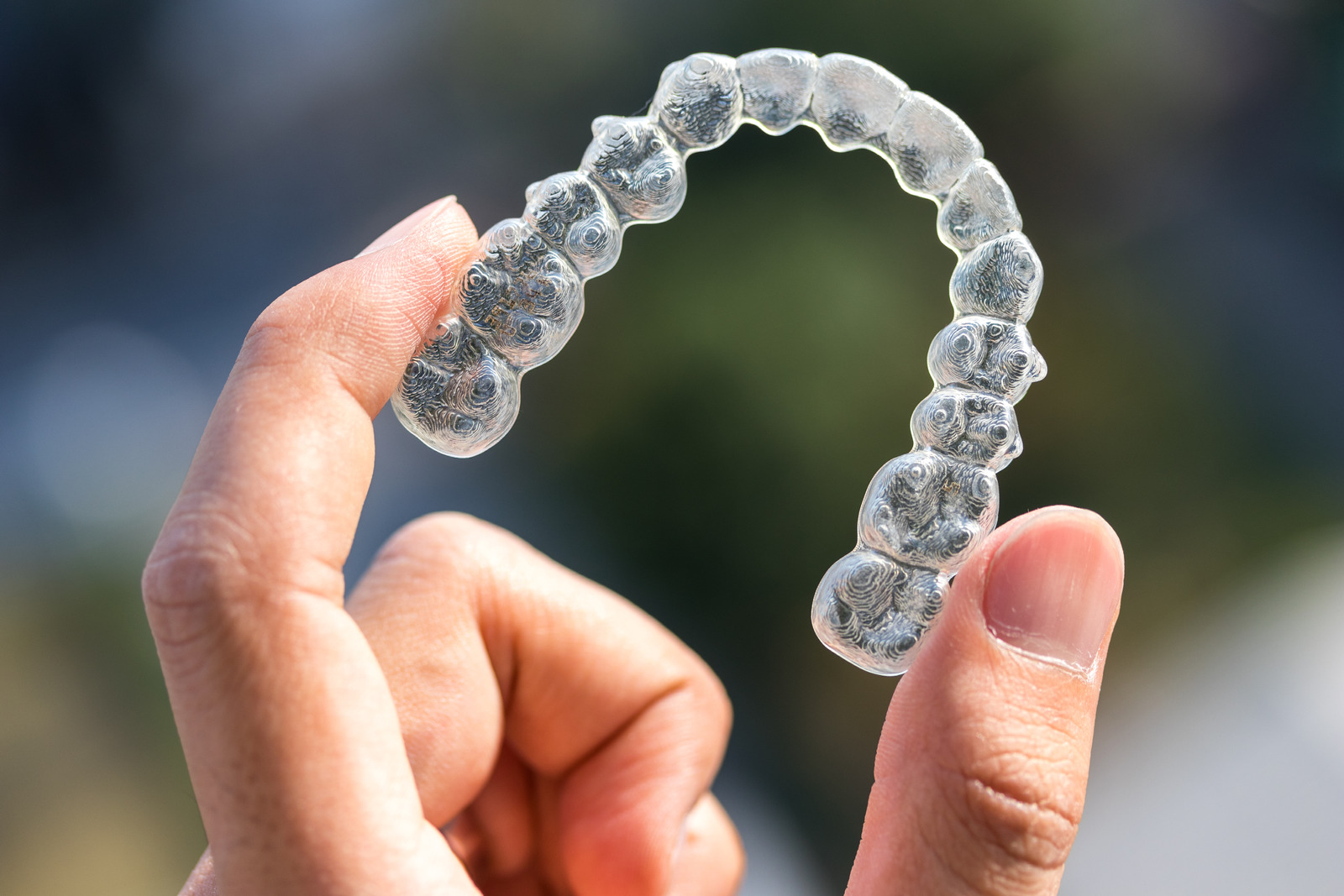
Close-up of a clear aligner tray held between two fingers, illustrating the difference between Invisalign and clear aligners
Invisalign is a brand of clear aligner made by Align Technology, a company founded in the United States in the late 1990s. It was among the first clear aligner systems to achieve widespread clinical adoption and remains one of the most recognisable names in orthodontics worldwide.
Invisalign treatment uses a series of custom-made transparent trays to move teeth progressively into the desired position. The brand has invested heavily in clinical research, proprietary planning software, and a training and certification programme for dentists and orthodontists.

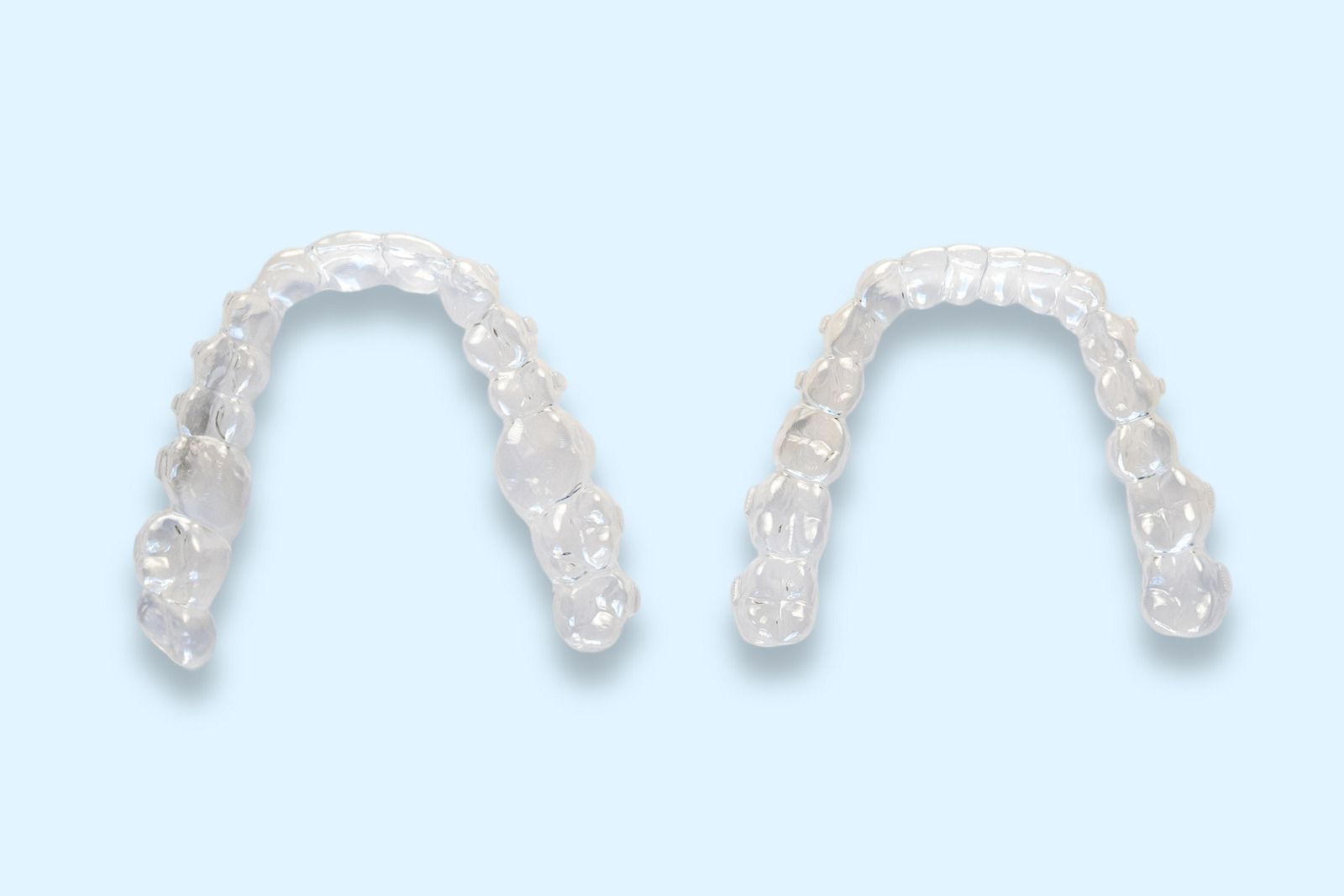
Clear aligners is the generic term for any transparent, removable orthodontic tray system used to straighten teeth. Invisalign is one brand within this category. Others include ClearCorrect, Spark, and various systems offered by individual dental practices and clinics.
All clear aligner systems share the same fundamental principle: a series of custom-fitted trays, each designed to move the teeth incrementally, worn for around 20–22 hours per day and changed at regular intervals throughout treatment.
In many respects, yes — particularly for mild to moderate cases. The underlying mechanics of clear aligner treatment are similar across brands: custom trays, staged tooth movement, and small tooth-coloured attachments bonded to the teeth to assist more complex movements.
Where differences emerge:
Clinical software and planning — each brand uses proprietary software to plan tooth movements. The quality of that planning, and the experience of the clinician using it, has a significant bearing on outcomes.
Aligner material and thickness — materials vary between systems, which can affect fit, comfort and how well the tray tracks to the tooth.
Suitability for complex cases — some systems have more established evidence for treating more demanding orthodontic situations than others.
Cost — Invisalign can carry a price premium reflecting the brand's recognition and the training costs associated with the clinician certification programme.
For the majority of straightening cases — mild to moderate crowding, spacing, and some bite issues — the differences between well-established clear aligner systems are unlikely to significantly affect your end result. What matters considerably more is the clinical skill and case planning of the dentist treating you.
An experienced dentist with a thorough approach to planning will typically produce better outcomes than a less experienced one using any brand — Invisalign included.
Limes Dental Practice offers clear aligner treatment in Gloucester but does not provide Invisalign specifically. Treatment follows the same clinical principles — custom-made transparent trays, worn progressively through your treatment plan — without the Invisalign brand premium.
At your consultation, Dr Andrew Connolly will assess your teeth, discuss what you want to achieve, and advise clearly whether clear aligner treatment is suitable for your case — or whether an alternative approach would serve you better.
Treatment length varies considerably by case. Mild straightening can often be completed in six to twelve months. More complex tooth movements take longer. Your treatment plan will give you a realistic, personalised timeline based on your specific situation.
Clear aligners work well for:
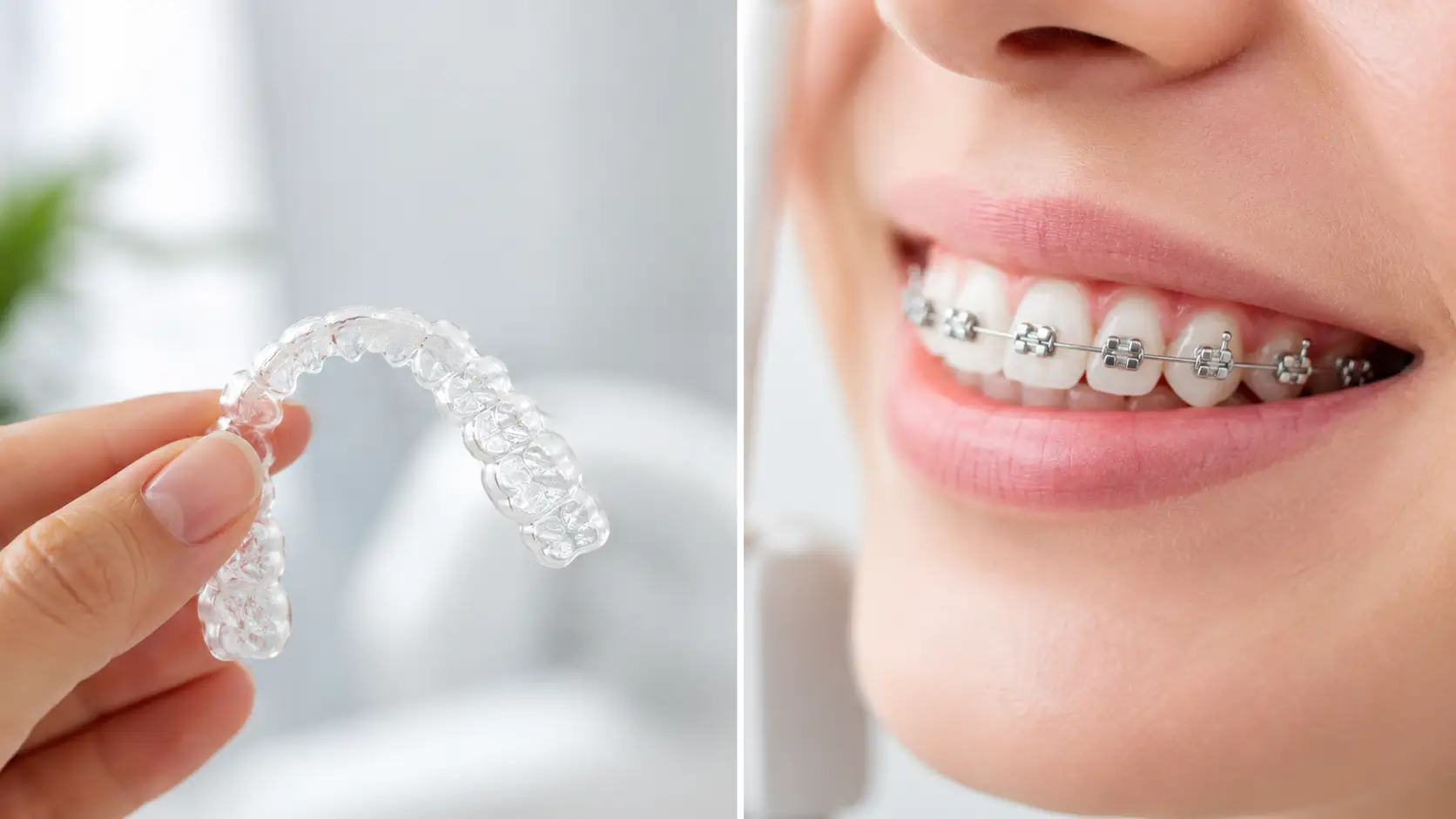
They are generally less suited to severe orthodontic issues, which may require fixed braces or, in some cases, surgical intervention. A consultation is the only way to establish what is achievable for your teeth specifically.
Thinking about straightening your teeth in Gloucester? Book a consultation at Limes Dental Practice to find out whether clear aligners are the right option for you.