Reviewed by Dr Andrew Connolly BDS MSc Implant Dent, Principal Dental Surgeon · Limes Dental Practice · July 2026

Most adults who ask this question aren't really asking about biology. They're asking whether it's worth doing now, whether it will look strange at their age, or whether they've simply left it too long. Those are fair questions, and they deserve honest answers rather than a blanket "it's never too late" without any context.
The idea that orthodontics is really for children comes from how treatment used to be delivered, not from any biological cut-off point. A generation ago, straightening teeth meant visible metal braces, and most people who had that option took it as teenagers because that's when it was offered. Anyone who missed that window grew up assuming the opportunity had passed.
There's also a common myth that teeth stop moving once you're fully grown. They don't. Teeth shift gradually throughout life in response to the forces around them — how you bite, whether you grind at night, even the natural pressure from your lips, cheeks and tongue. This is exactly why so many adults who had braces as teenagers find their teeth have crowded again years later, usually because a retainer stopped being worn.
Moving a tooth relies on a biological process called bone remodelling. Gentle, sustained pressure on a tooth causes bone to be gradually broken down on one side and rebuilt on the other, allowing the tooth to shift into a new position over weeks and months. This process doesn't depend on still being in a growth phase — it depends on healthy gum tissue and adequate bone support, both of which many adults have well into later life.
The one genuine difference is speed. In children and teenagers, the jaw is still developing, which can make some types of movement slightly more efficient. In adults, movement still happens reliably — it just tends to progress at a steady, predictable pace rather than a faster one. For most of the mild to moderate crowding, gaps and minor bite concerns adults typically bring to us, this difference in speed rarely changes the overall treatment timeline in any meaningful way.
Age isn't the disqualifying factor — the condition of your gums and the bone underneath them is. Moving a tooth safely requires that supporting structure to be in good health. This is why a proper assessment always starts with checking for active gum disease before any straightening plan is discussed, since untreated gum problems need addressing first regardless of how old or young the patient is.
Beyond that, a small number of adults have had teeth or bone affected by long-term issues — significant bone loss, certain medications, or previous dental work — that can mean extra planning is needed rather than treatment being ruled out entirely. This is genuinely uncommon, and even then it usually means a more tailored approach rather than no treatment being possible.
There are a few recurring reasons adults come in asking about straightening, and most fall into one of three groups.
Relapse after teenage treatment. This is the single most common reason we see. Teeth were straightened years ago, a retainer was worn for a while and then quietly stopped, and crowding has gradually returned — particularly on the lower front teeth. Retreatment as an adult is often quicker than the original course, since the movement needed is usually smaller.
Never treated as a teenager. Some adults simply weren't offered treatment, or family circumstances meant it wasn't a priority at the time. There's no catching-up penalty for waiting — the process works the same way regardless of when you start.
Gradual natural shifting. Even people who never had orthodontic treatment can notice their teeth crowding or gaps opening slightly over the years, particularly in the lower front teeth. This is a normal part of ageing dentition rather than a sign anything has gone wrong.
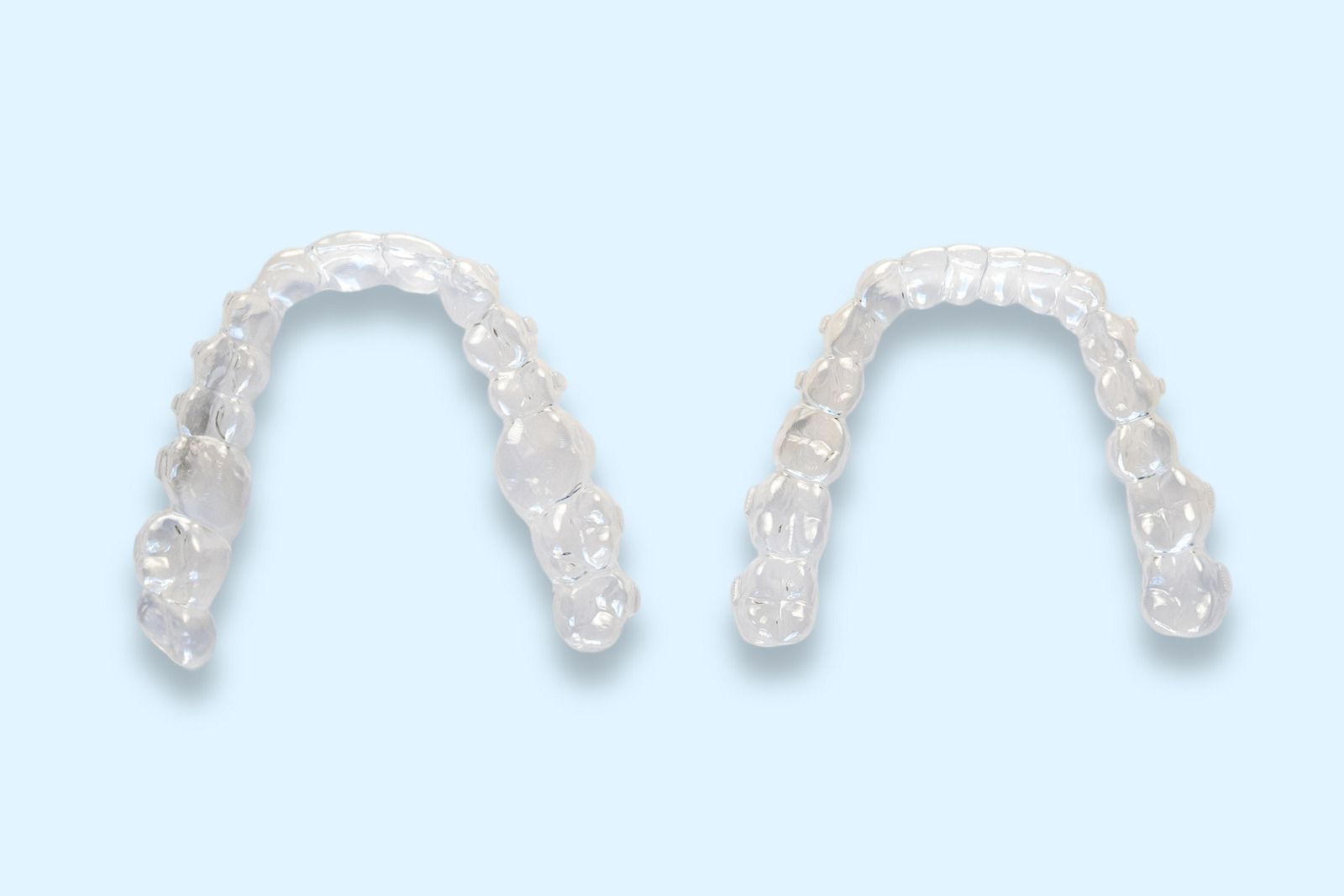
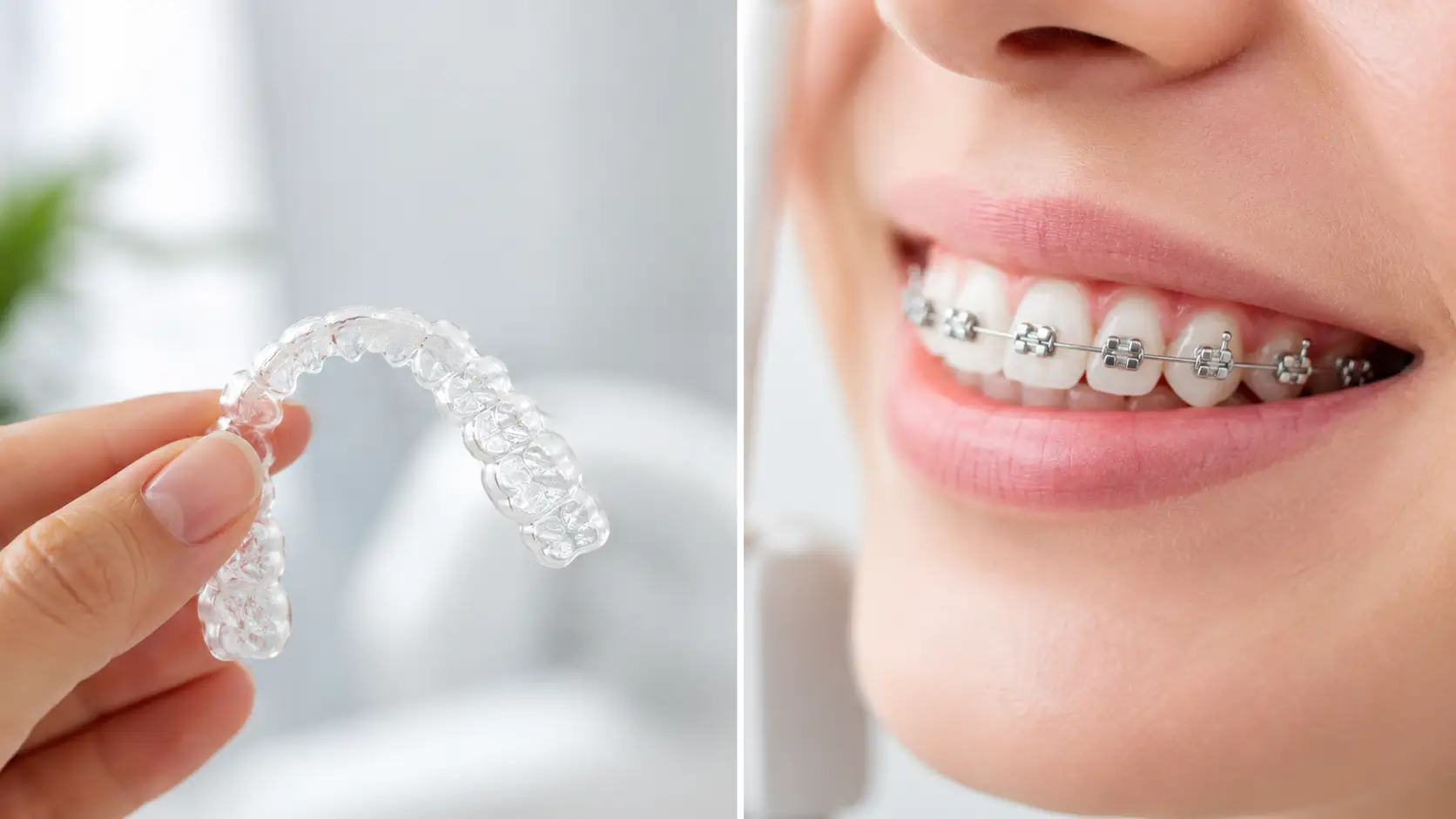
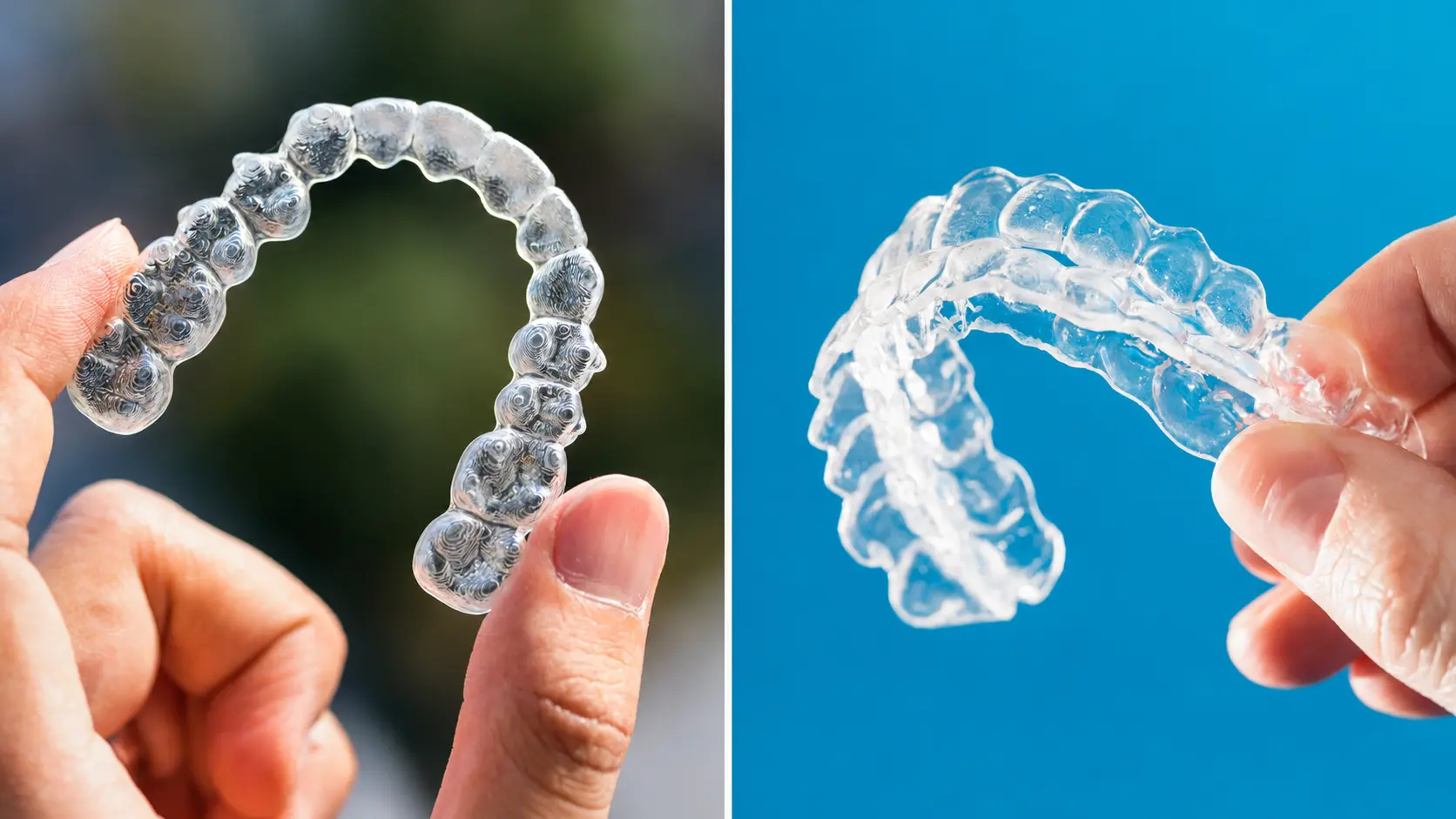
Modern clear aligners have made this a much more discreet process than it once was. Custom-made, virtually invisible trays are worn over the teeth and swapped out every one to two weeks, gradually guiding teeth into position without visible brackets or wires. They're removable for eating and cleaning, which is part of why they've become the preferred option for adults balancing treatment around work and daily life.
Fixed braces remain the right choice for more complex cases — significant crowding, larger bite corrections, or movements needing precise three-dimensional control. If your case is straightforward, though, there's rarely a clinical reason to choose visible braces over clear aligners. You can read a fuller comparison of the two in our guide to clear aligners vs braces.
An assessment for adult straightening starts the same way regardless of age: a check of gum health and bone support, a look at how your bite currently fits together, and digital scans that map your teeth precisely. From there, you'll see a projected treatment plan showing roughly how your teeth are expected to move and how long that's likely to take.
This is also the point where cost becomes clear. Because every case is different — the amount of movement needed varies significantly from one person to the next — we don't publish a single flat figure for straightening treatment. You'll receive an accurate cost specific to your case at consultation, and you can see how this fits alongside our other treatment fees on our fees page.
Occasionally, yes. If there's active gum disease or untreated tooth decay, that needs resolving first — starting orthodontic movement on unhealthy gums isn't safe and can make the underlying problem worse. If you're partway through other significant dental treatment, it sometimes makes sense to sequence straightening around that rather than in parallel. Neither of these is about age. They're about making sure the mouth is in the right condition to move teeth safely, which is exactly what a proper assessment is there to establish.
If you've been putting off asking about this because you've assumed you've missed your chance, that assumption is very often wrong. The most reliable way to find out is a proper look at your teeth and gums rather than guessing from age alone.
At Limes Dental Practice, Dr Andrew Connolly and the team assess adults of every age for clear aligner treatment, with digital planning so you can see how your teeth are expected to move before committing to anything. We see patients from across Gloucester, Cheltenham, Stroud, Churchdown, Quedgeley and the wider Gloucestershire area.
Book a consultation to find out what's possible for your smile →