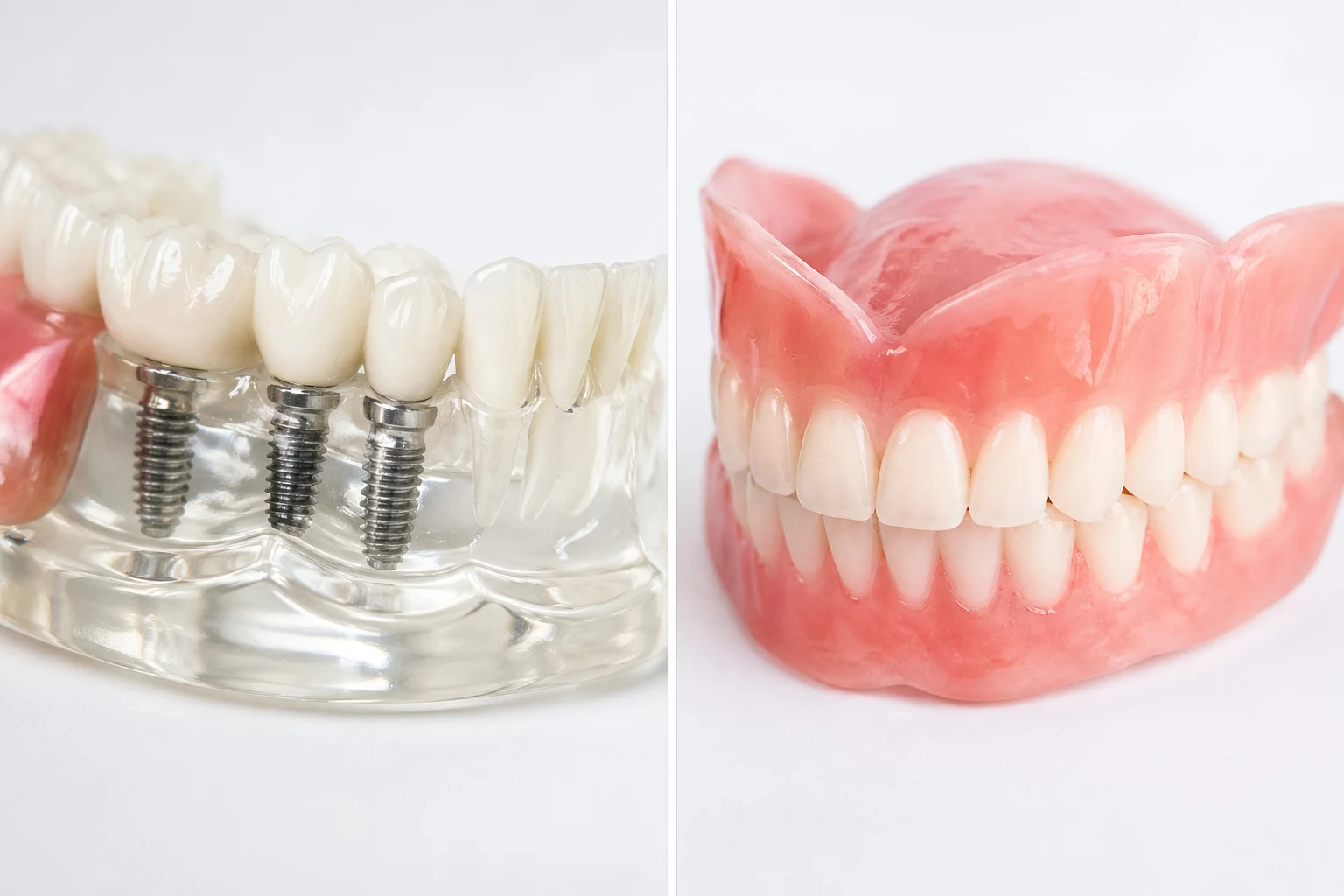
Dental implants are often described as a permanent solution to tooth loss — but what does that actually mean in practice? The honest answer depends on which part of the implant you are asking about. The titanium post placed into the jawbone can, in many cases, last a lifetime. The crown that sits on top of it has a more limited lifespan. Here is what the evidence shows, and what you can do to make the most of your implants.
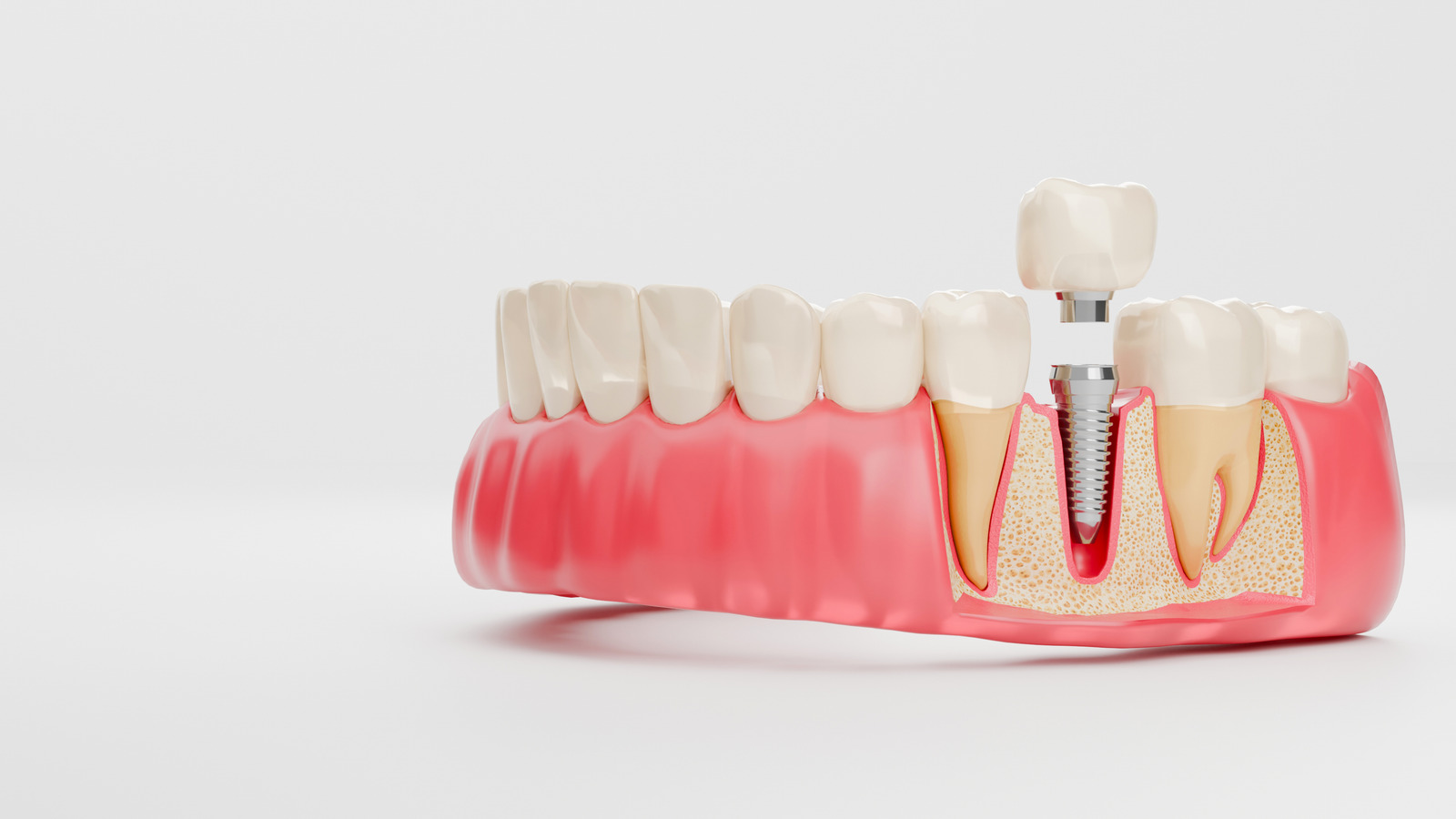
A dental implant consists of two distinct components:
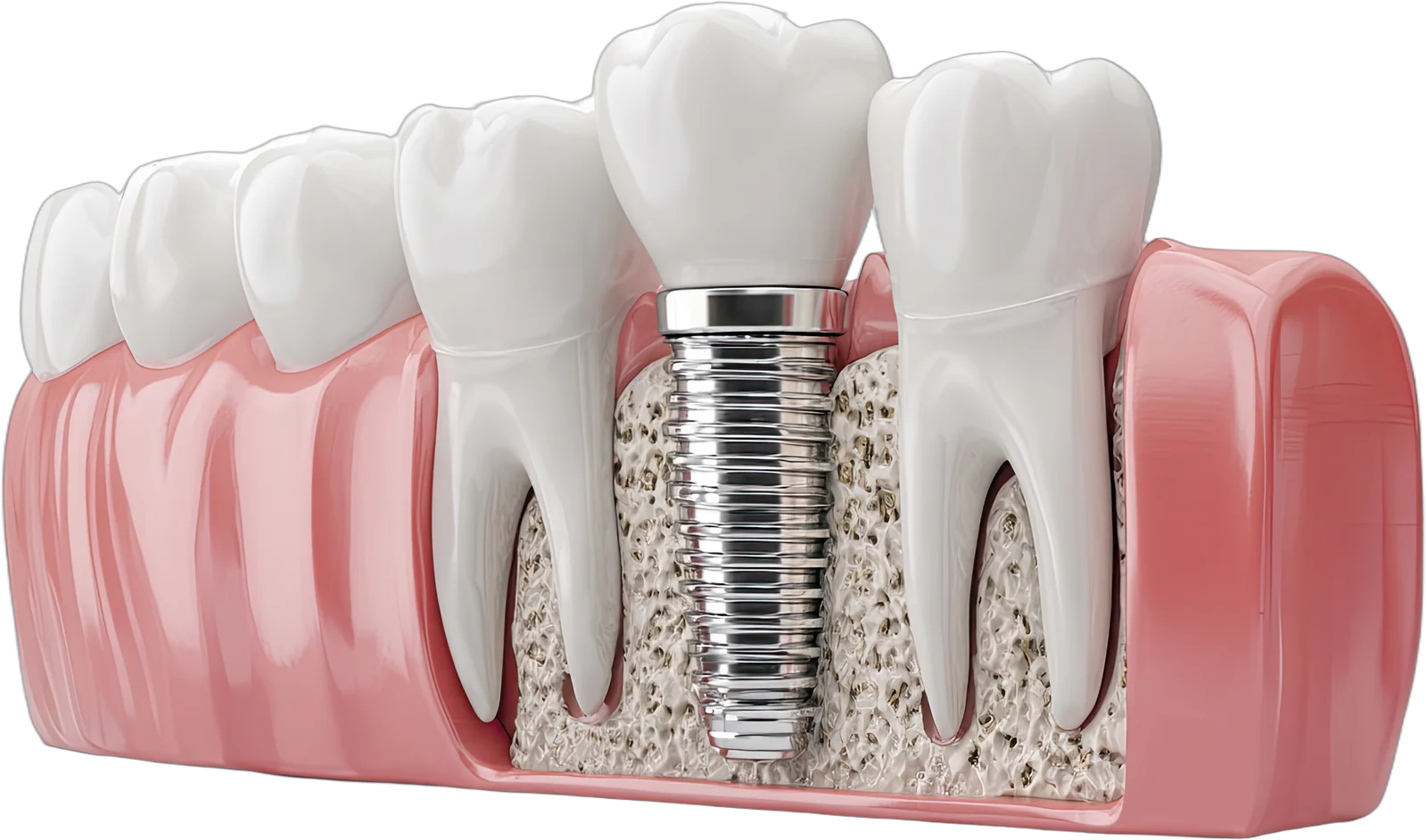
The implant fixture — a small titanium post placed surgically into the jawbone. Over time, bone grows around it through a process called osseointegration, effectively making it part of your jaw structure.
The implant crown — the visible tooth-shaped restoration attached to the top of the implant via a connector called an abutment.
These two components have different lifespans, which is why implant longevity cannot be answered with a single figure.
The titanium post is designed to be a permanent fixture. When osseointegration is successful and the patient maintains good oral health, the implant itself can last for decades — in many cases, for the rest of the patient's life.
Long-term clinical follow-up consistently shows high survival rates for the implant fixture over 10-year periods and beyond. In fact, a comprehensive 20-year meta-analysis published in Clinical Oral Investigations confirmed that even at the two-decade mark, roughly 92% of dental implants remain completely stable and functional when properly maintained.
The crown is the component most likely to need replacing during a patient's lifetime. Porcelain crowns used in implant restorations typically last 10–20 years before showing meaningful wear or requiring replacement, though this varies based on:
Replacing the crown does not mean starting over. The implant fixture beneath it may remain perfectly intact, and fitting a new crown onto an existing, healthy implant is a much simpler process than the original treatment.
Several factors have a meaningful impact on implant longevity.
Smoking restricts blood flow to the gums and bone, which impairs healing and raises the risk of peri-implantitis — the main cause of late implant failure. Patients who smoke are strongly advised to stop, particularly around the time of surgery.
Gum disease and oral hygiene — implants can develop their own form of infection called peri-implantitis, where bacteria attack the tissue and bone around the implant. Good daily cleaning and regular professional maintenance significantly reduces this risk.
Teeth grinding (bruxism) — excessive force from grinding places stress on both the implant fixture and the crown. A night guard is often recommended for patients who grind.
Bone health — conditions affecting bone density or medications that affect bone metabolism can influence long-term implant stability.
Diet and lifestyle — using teeth as tools, biting hard sweets, or chewing on ice places unnecessary stress on the crown.
Most of the factors affecting implant longevity are within the patient's control:
Most implants give no problems for many years. Contact your dentist promptly if you notice any of the following:
Caught early, many implant complications can be treated successfully without losing the implant.
Implant surgery starts from £995, with the implant crown from £895. Where additional procedures are required — such as bone augmentation (from £550) or a sinus lift (from £995) — these are outlined clearly in your treatment plan at consultation. All costs are confirmed in writing before any treatment begins.
Thinking about dental implants in Gloucester? Book a consultation with Dr Andrew Connolly to discuss your options.