Reviewed by Dr Andrew Connolly BDS MSc Implant Dent, Principal Dental Surgeon · Limes Dental Practice · August 2026
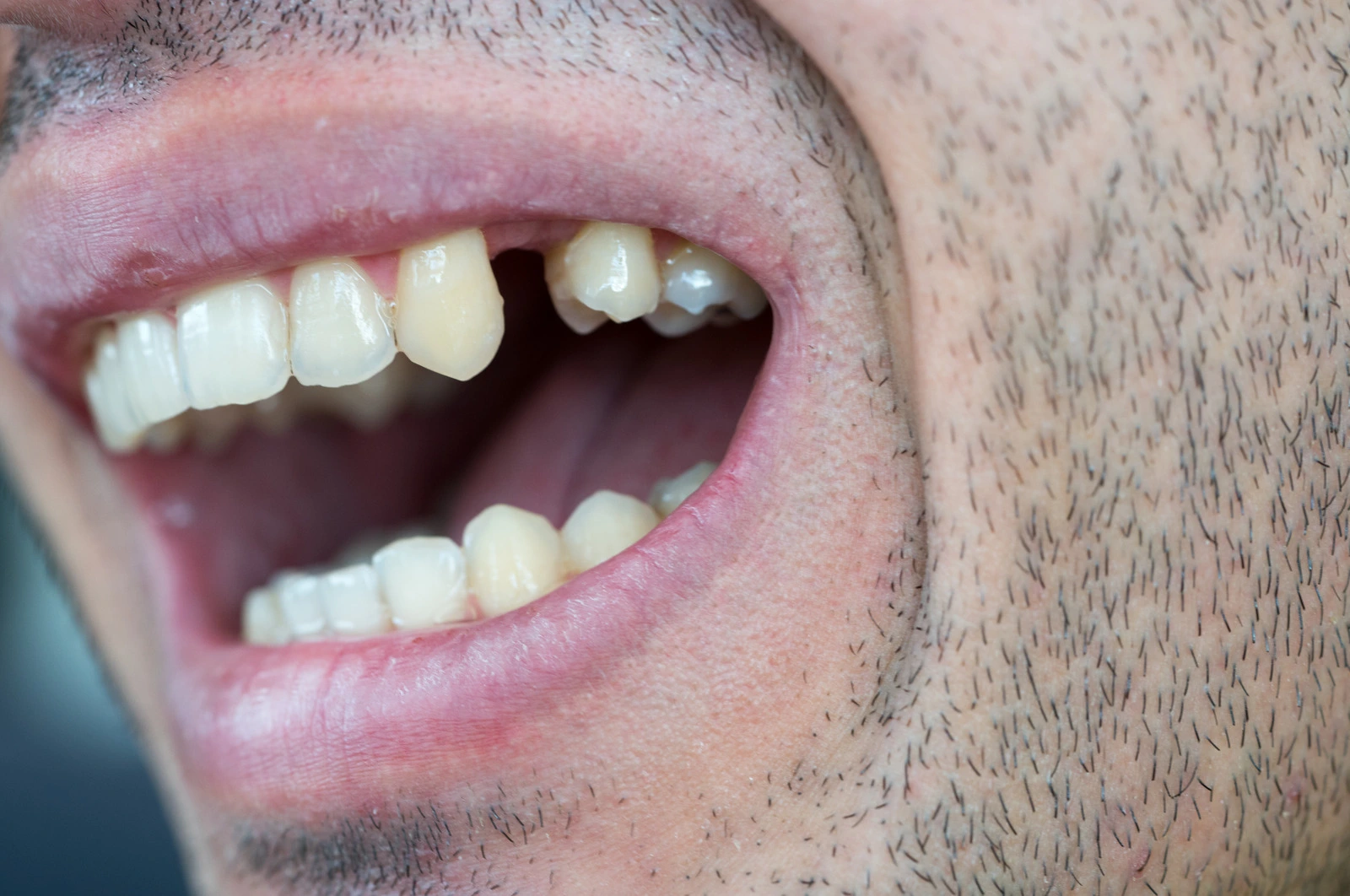
If a tooth has been completely knocked out, what you do in the next few minutes matters more than almost anything else in dentistry. This is one of the few genuine emergencies in dental care, and acting quickly — and correctly — gives a knocked-out tooth a real chance of being saved.
Read the steps below now if this has just happened. Everything else on this page can wait.
Find the tooth and pick it up by the crown. The crown is the white, visible part you'd normally see above the gum — not the root, which is the part that would normally sit below the gumline. Avoid touching the root itself. It's covered in delicate living cells that are essential for the tooth to reattach successfully, and handling it can damage them.
If the tooth is dirty, rinse it very briefly. Hold it under cold running water for no more than 10 seconds. Do not scrub it, and do not use soap, mouthwash, or any other cleaning product — all of these can damage the cells on the root surface that the tooth needs to survive.
Try to put it straight back into the socket. This is the single most effective thing you can do. Gently push the tooth back into the space it came from, facing the right way round, and bite down softly on a clean cloth or handkerchief to hold it in place. If it goes back in, keeping it there — even loosely — is far better than leaving it out.
If you can't get it back in, keep it moist. Never let a knocked-out tooth dry out, even for a few minutes — this is the most damaging thing that can happen to it. Store it in one of the following, in order of preference:
Avoid plain tap water if at all possible. It's better than nothing, but the cells on the root don't survive well in it compared to milk or saliva.
Get to a dentist immediately. Call ahead so the practice knows you're coming and can prepare — this is a genuine dental emergency, not something to book in for later in the week.
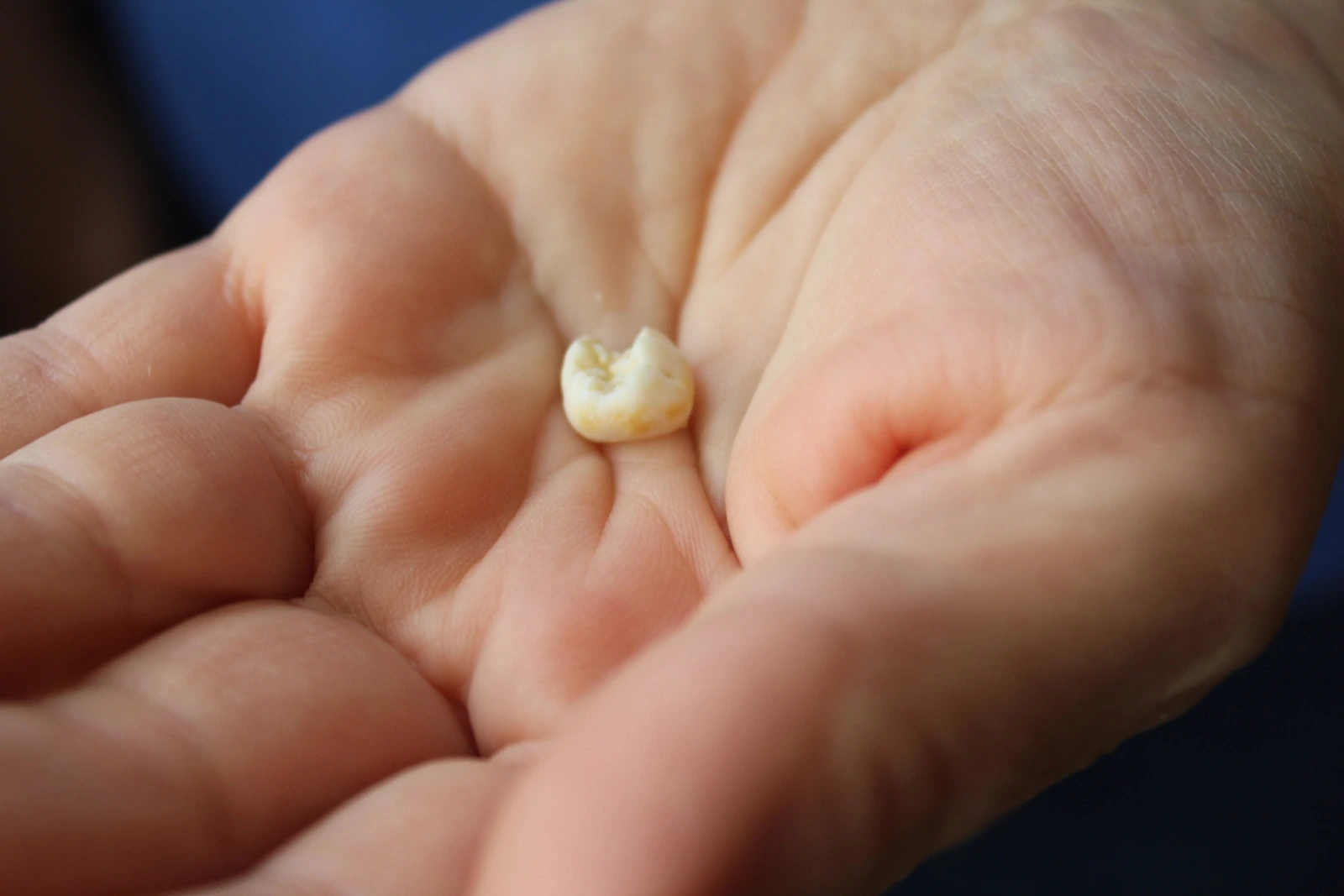
An avulsed tooth — the clinical term for one that's been completely knocked out — has had its blood supply severed the moment it left the socket. What determines whether it can be saved isn't the tooth itself, but the condition of the periodontal ligament: a thin layer of living cells on the root surface that normally anchors the tooth in place and allows it to reattach to the bone.
These cells begin to deteriorate as soon as they're exposed to air, and the damage accelerates the longer the tooth is out of the mouth and away from a moist environment. Reimplantation attempted within around 30 minutes generally has the best outcomes, and there's still a meaningful chance of success within the first hour. Beyond that window, the odds decline — but it's still always worth getting to a dentist and attempting reimplantation, since outcomes vary and a dentist may be able to help even outside the ideal timeframe.
This is exactly why keeping the tooth in the socket, or failing that, in milk or saliva, matters so much. Both keep those cells alive and viable for longer than air or dry storage ever could.
Once you're seen, the tooth will usually be gently cleaned and reinserted into the socket if this hasn't already been done successfully. It's typically splinted to the neighbouring teeth for a period of time — usually one to two weeks — to hold it stable while the ligament fibres reattach.
Because the tooth's blood and nerve supply was cut off during the injury, root canal treatment is often needed at some point afterward to prevent infection developing inside the tooth, even if the reimplantation itself is successful. This isn't usually done at the emergency visit itself — it's typically carried out shortly after, once the immediate trauma has settled.
You'll also be checked for any other injury to the surrounding teeth, gums, or jaw, since a knock hard enough to fully dislodge a tooth can affect more than just that one tooth.
Sometimes, despite doing everything right, a tooth can't be successfully reimplanted — this depends on factors like how long it was out of the mouth and the extent of the original injury, not on anything done wrong afterward. If this happens, there are still good long-term options for replacing the tooth, most commonly a dental implant once the area has fully healed. It's worth having this conversation with your dentist as part of the same visit, so you understand what the path forward looks like.
Baby teeth are different. If a child's baby tooth is knocked out, it should not be put back into the socket. Reimplanting a baby tooth can risk damaging the permanent adult tooth developing underneath it. Still contact a dentist promptly, but skip the reimplantation step. You can read more about how we approach dental injuries in children on our children's dentistry page.
A loose or partially displaced tooth is not the same as fully knocked out. If a tooth has been knocked crooked, pushed sideways, or is loose but still in the socket, do not try to remove or reposition it yourself. Leave it exactly as it is and get to a dentist as quickly as possible — the guidance above applies specifically to a tooth that has come out completely.
Most avulsion injuries happen during sport, falls, or accidents involving a direct blow to the mouth. A properly fitted mouthguard makes a genuine difference during contact sports — rugby, hockey, martial arts, and similar activities — and a custom-fitted guard from a dentist offers noticeably better protection and comfort than an off-the-shelf version.
A knocked-out tooth is a genuine dental emergency where speed matters. If this has just happened to you or someone with you, follow the steps above and call us straight away — we'll get you seen as quickly as possible. Emergency treatment fees are listed on our fees page.
We see emergency patients from Gloucester, Churchdown, Quedgeley, Stroud, Stonehouse, and the wider Gloucestershire area.