Reviewed by Dr Andrew Connolly BDS MSc Implant Dent, Principal Dental Surgeon · Limes Dental Practice · July 2026
A dental implant is built to last for decades, but the material alone doesn't guarantee that outcome — how you look after it does. The titanium post itself won't decay the way a natural tooth can, but the gum and bone tissue supporting it can still be affected by plaque, poor hygiene, or missed check-ups, in much the same way as your natural teeth.
The good news is that implant aftercare isn't complicated. Most of it comes down to a handful of consistent daily habits, plus keeping up with your dentist. This guide walks through exactly what that looks like, so your implant has the best possible chance of lasting a lifetime.
If you're still deciding whether implants are right for you, it's worth understanding how long dental implants typically last and finding out whether you're a good candidate for dental implants before you go ahead.
An implant doesn't get cavities, but the tissue around it can develop a condition called peri-implantitis — inflammation and gradual bone loss around the implant, caused by a build-up of bacterial plaque at the gumline. It's the leading cause of implant complications and, left untreated, is the main reason an otherwise successful implant can eventually fail.
The encouraging part is that peri-implantitis is largely preventable. Good daily hygiene, avoiding risk factors like smoking, and attending regular maintenance visits all significantly lower the risk. Think of implant aftercare less as a strict list of rules and more as protecting the investment you've already made in your smile.
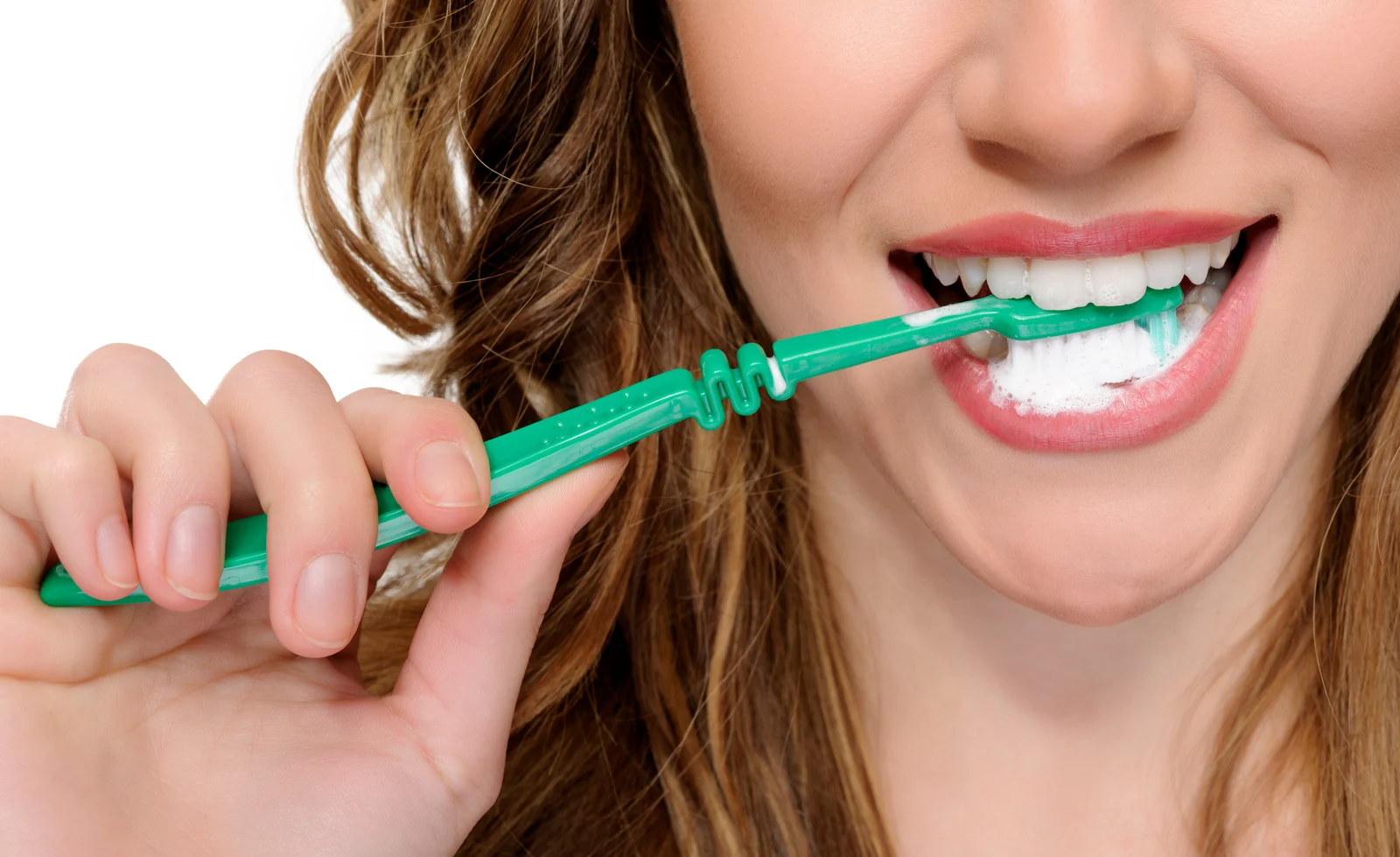
Brush your implant crown just as you would a natural tooth, using a soft-bristled or electric toothbrush. Pay particular attention to where the crown meets the gum — this is where plaque tends to accumulate and where early inflammation typically starts.
Standard floss can be fiddly around an implant crown, so many patients find it easier to switch to:
Whichever method you use, the goal is the same: disrupting plaque before it hardens into tartar, which can only be removed professionally.
An alcohol-free antimicrobial mouthwash can help reduce bacterial load around the implant site, particularly in the weeks after placement or if you're prone to gum inflammation. It's a helpful addition to brushing and flossing, not a replacement for either.
Smoking restricts blood flow to the gums, slows healing, and is strongly linked to a higher risk of peri-implantitis and implant failure. If you smoke and are considering implants — or already have them — reducing or quitting is one of the most impactful things you can do to protect your investment. Speak to our team if you'd like this discussed as part of your treatment planning.
Poorly controlled blood sugar can affect healing and gum health, making implant maintenance more important for patients managing diabetes. This doesn't rule anyone out from treatment, but it does mean working closely with your dentist and GP to keep any underlying conditions well managed.
Excess biting force from grinding or clenching can put strain on an implant and its crown over time. If you grind your teeth at night, a custom nightguard can help protect both your implant and your natural teeth from unnecessary wear.
Implant crowns are durable, but biting down on very hard foods (ice, boiled sweets, unpopped popcorn kernels) or excessively sticky foods can chip a crown or loosen its fit over time. This is more about everyday common sense than a strict diet — most patients eat completely normally with implants.
Even with excellent home care, professional maintenance is essential. Regular check-ups allow us to:
We'll advise on a maintenance schedule suited to your individual implant and oral health during your check-ups — this is something we'll confirm with you directly rather than a one-size-fits-all interval, since it depends on your specific case.
Contact us if you notice any of the following around an implant site:
Catching these signs early makes them far easier to treat — most complications are manageable when addressed promptly, but become more difficult the longer they're left.
Dental implants are designed to be a long-term, even lifelong, solution — but that outcome depends on partnership between what you do at home and the professional care you receive. Daily brushing and interdental cleaning, avoiding smoking, managing any underlying health conditions, and keeping up with your check-ups are the habits that make the real difference.
If you have an implant and want tailored aftercare advice, or you're considering treatment and want to understand what ongoing care involves, get in touch with our team to arrange a consultation.