How long does teeth whitening last? This is one of the most common questions we get asked at The Limes Dental Practice in Gloucester. The honest answer is "it depends," which is not very useful, so this guide gives you the actual ranges, what shortens results, and the simple habits that make whitening last as long as possible.
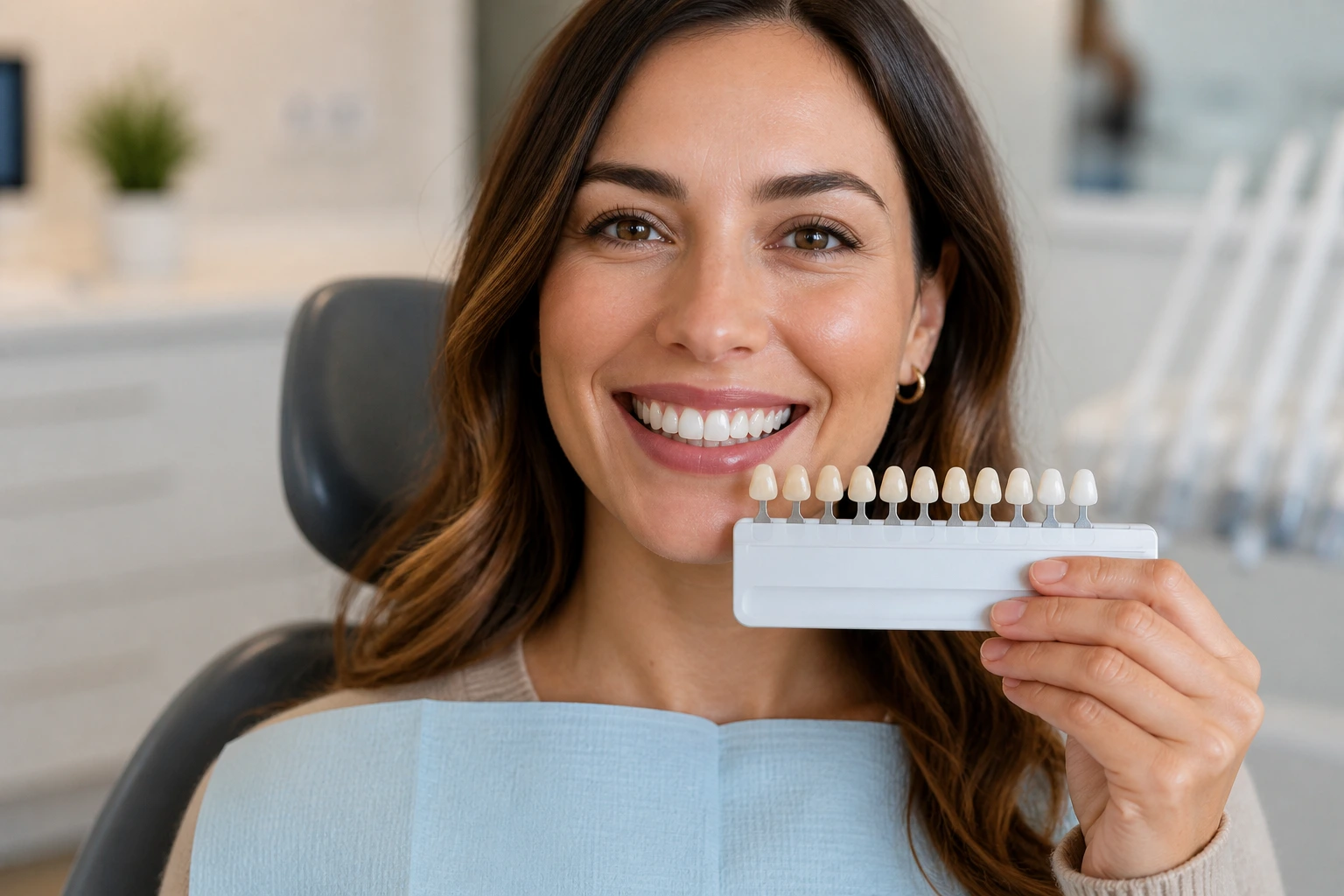
For most patients with dentist-supervised whitening, results last between one and three years before any noticeable fade. Some patients keep brilliant results for longer with disciplined habits. Others see staining return more quickly because of their diet, medication, or smoking. The variation is real, and it is mostly down to lifestyle rather than the whitening itself.
According to the British Dental Association, professional whitening is a safe and effective way to brighten teeth, but it is not a permanent solution.
Patients with deeper internal staining (for example from antibiotics in childhood, or from a single dark tooth after trauma) often need more sessions to lighten and tend to see colour return faster. Patients with surface staining from coffee, tea, or wine usually see longer-lasting results because the stain reasons can be controlled with daily habits.
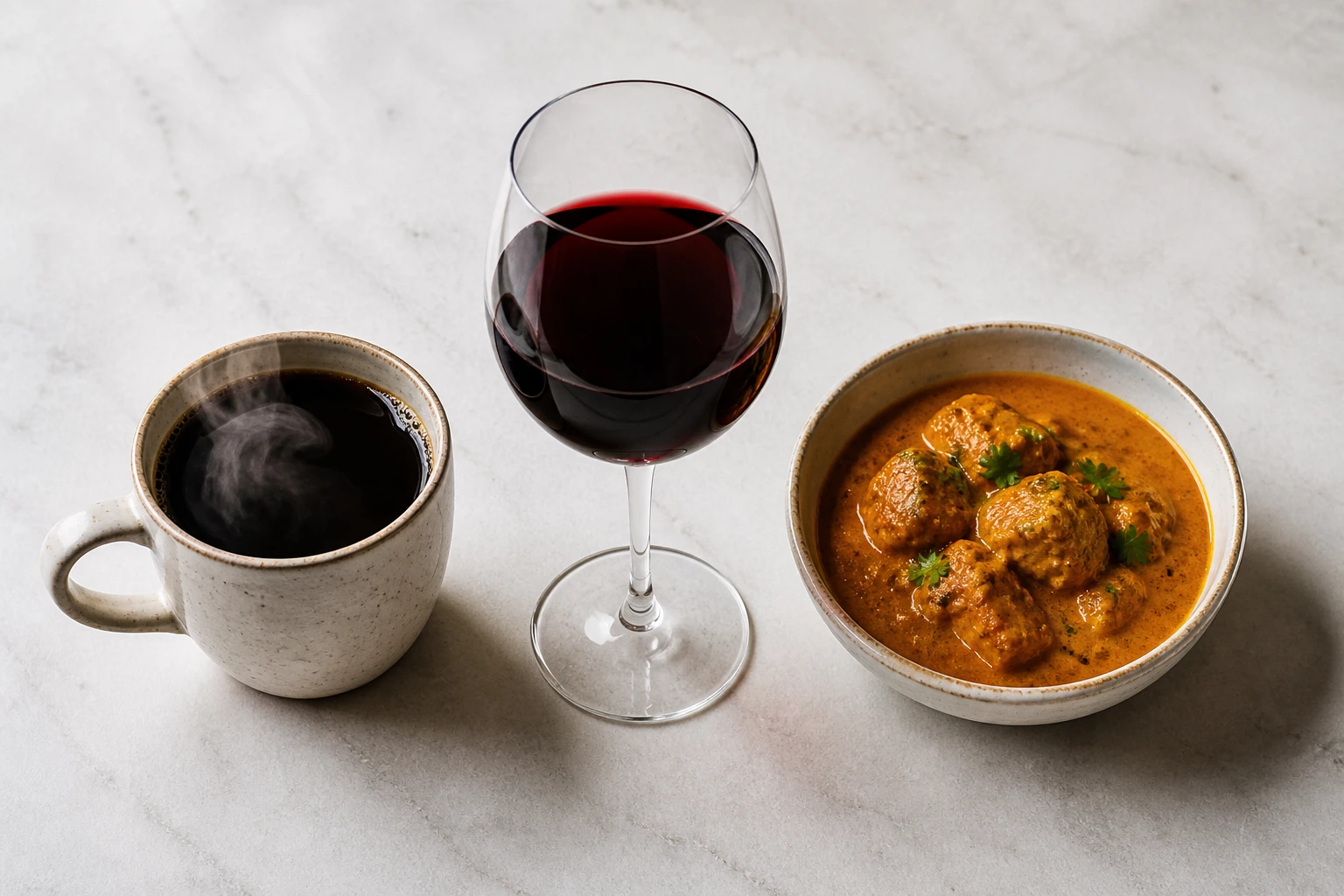
The big four for staining are coffee, tea, red wine, and dark sodas. Curries with turmeric, soy sauce, balsamic vinegar, and very pigmented berries also leave colour on enamel over time.
None of these are off-limits, but how often you have them and what you do afterwards (rinse, brush, drink water) all matter.
Tobacco smoke discolours teeth quickly and aggressively. Patients who smoke see whitening fade noticeably sooner. Vaping is gentler on staining but not staining-free; nicotine itself yellows enamel.
Plaque attracts stain. Patients who brush properly twice a day, floss once a day, and book regular hygienist visits keep results brighter for longer. Mastering a good flossing technique is essential for preventing stains from settling between the teeth.
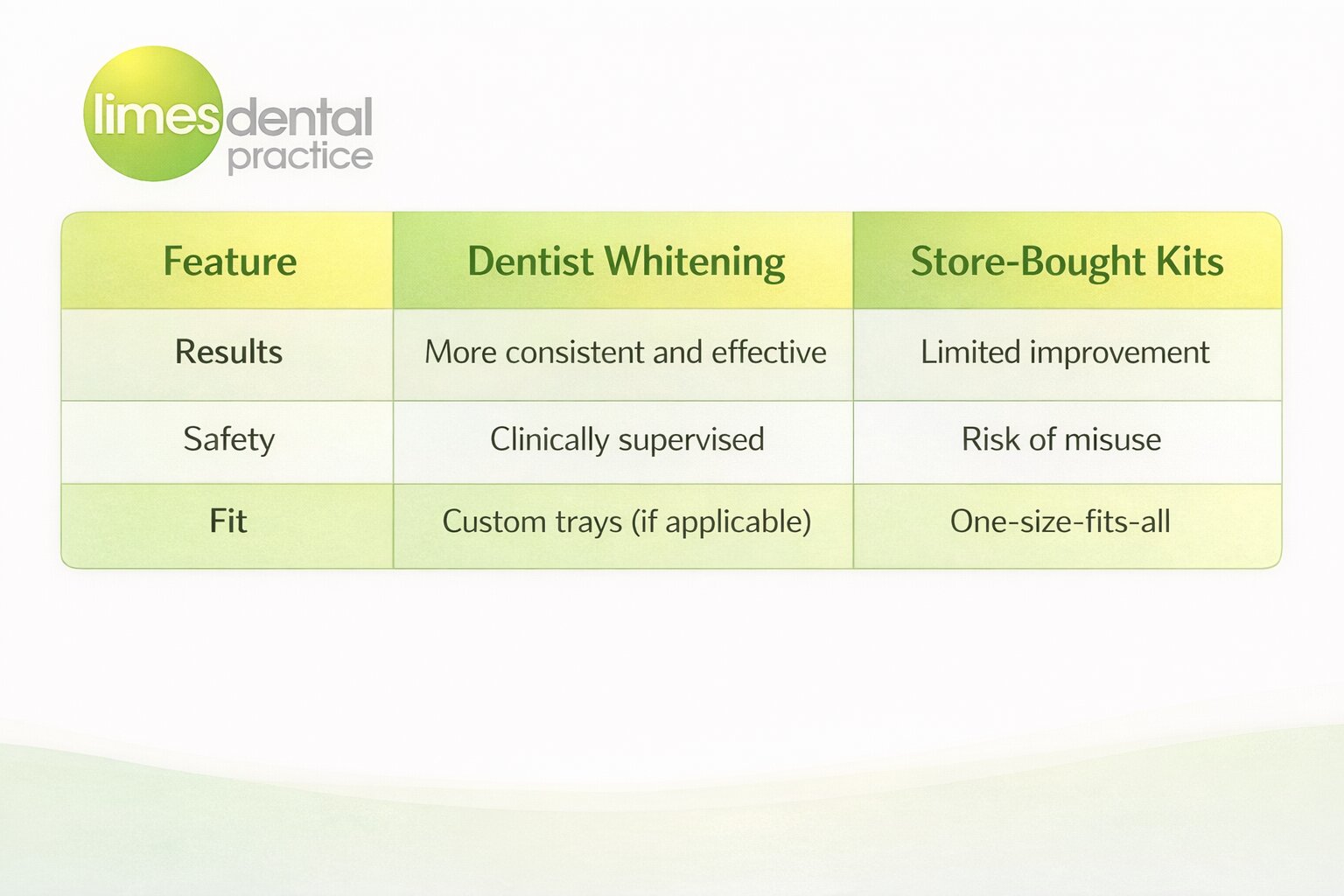
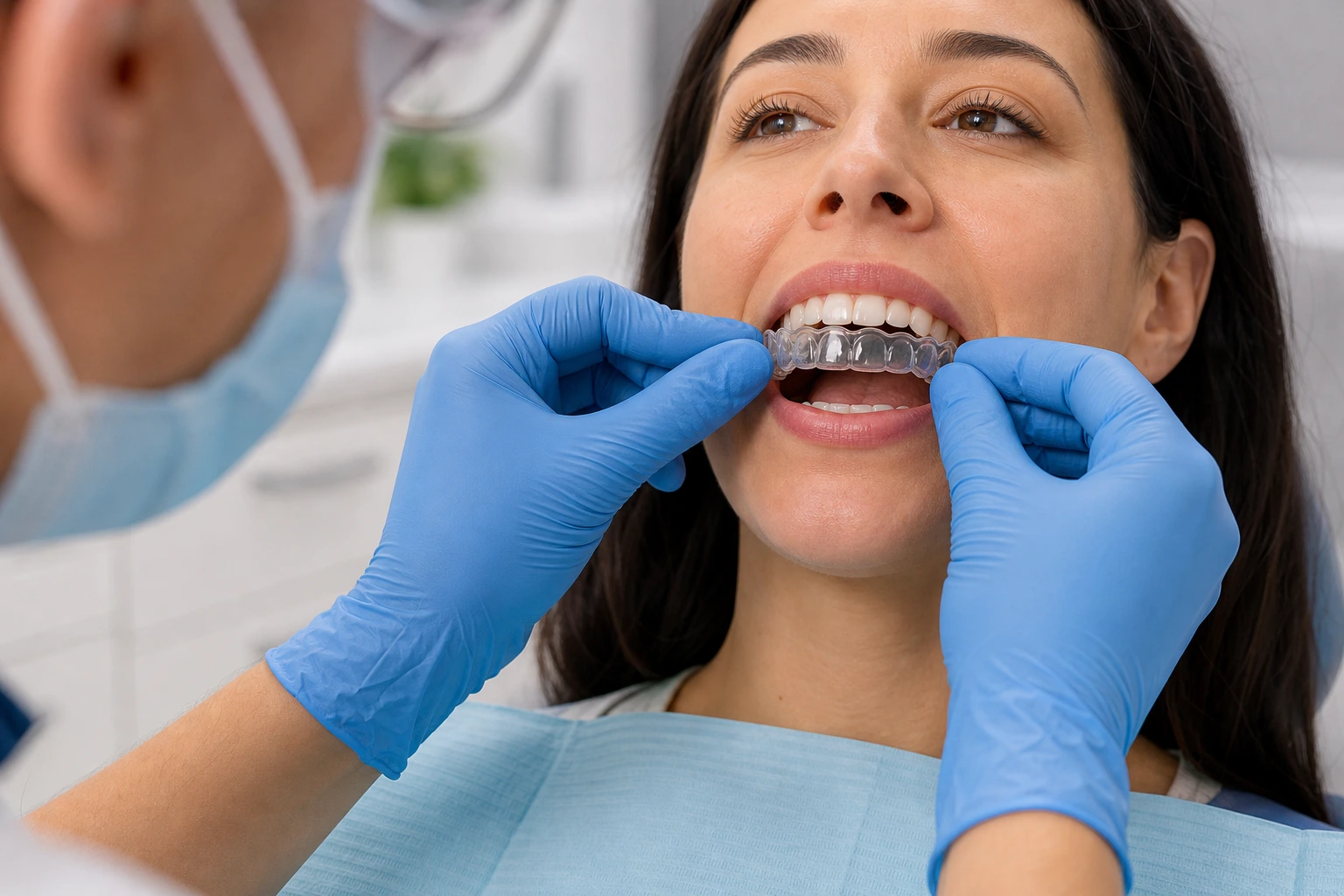
Custom-tray take-home whitening with carbamide peroxide is generally the most stable. In-surgery whitening produces fast results, but those results can rebound slightly in the first few weeks as teeth rehydrate. A combined approach tends to give the longest-lasting outcome, which is why professional whitening makes a difference compared to over-the-counter options.
A few habits make a meaningful difference:
We provide patients who have completed professional whitening at The Limes with retainer-style trays they can keep, making top-ups straightforward and cost-effective.
There is no perfect timeline. Most patients do a short top-up after about 12 months, often before a holiday, wedding, or photo. As long as your dentist confirms your gums and teeth are healthy, regular short top-ups are safe and predictable.
The thing to avoid is over-whitening. Patients who whiten constantly using high-strength products from online sources can develop persistent sensitivity. Stick to gels prescribed by your dentist to avoid long-term risks.
Two things to check:
You can check our full Gloucester whitening guide for more information on what to expect from the process.
Typically one to three years before noticeable fading. Top-ups every 6 to 12 months extend that significantly.
No. Teeth pick up surface stain over time from food, drink, and the natural ageing of enamel. You can refer to the NHS teeth whitening guidance for more on the limits of treatment.
Custom-tray take-home whitening tends to produce the most stable colour. A combined approach generally gives the longest-lasting outcome.
Coffee, tea, red wine, dark sodas, and tobacco are the biggest culprits.
Yes, if you have your custom trays and prescribed gel from your dentist. We do not recommend high-strength online gels or salon top-ups.
Whether you whitened with us before or you are starting from scratch, the next step is a short consultation. We will check your teeth, recommend the right approach, and quote you transparently.
Book online or call 01452 523089. The Limes Dental Practice, 168 Stroud Road, Gloucester GL1 5JX.
Reviewed by Dr Andrew Connolly, BDS MSc Implant Dent, Principal Dentist at The Limes Dental Practice.