Reviewed by Dr Andrew Connolly BDS MSc Implant Dent, Principal Dental Surgeon · Limes Dental Practice · October 2026
This guide walks through the four main routes we discuss with patients at Limes Dental Practice in Gloucester. If you want the basics of how an implant is placed and healed, our step-by-step overview of how implants work covers that first.
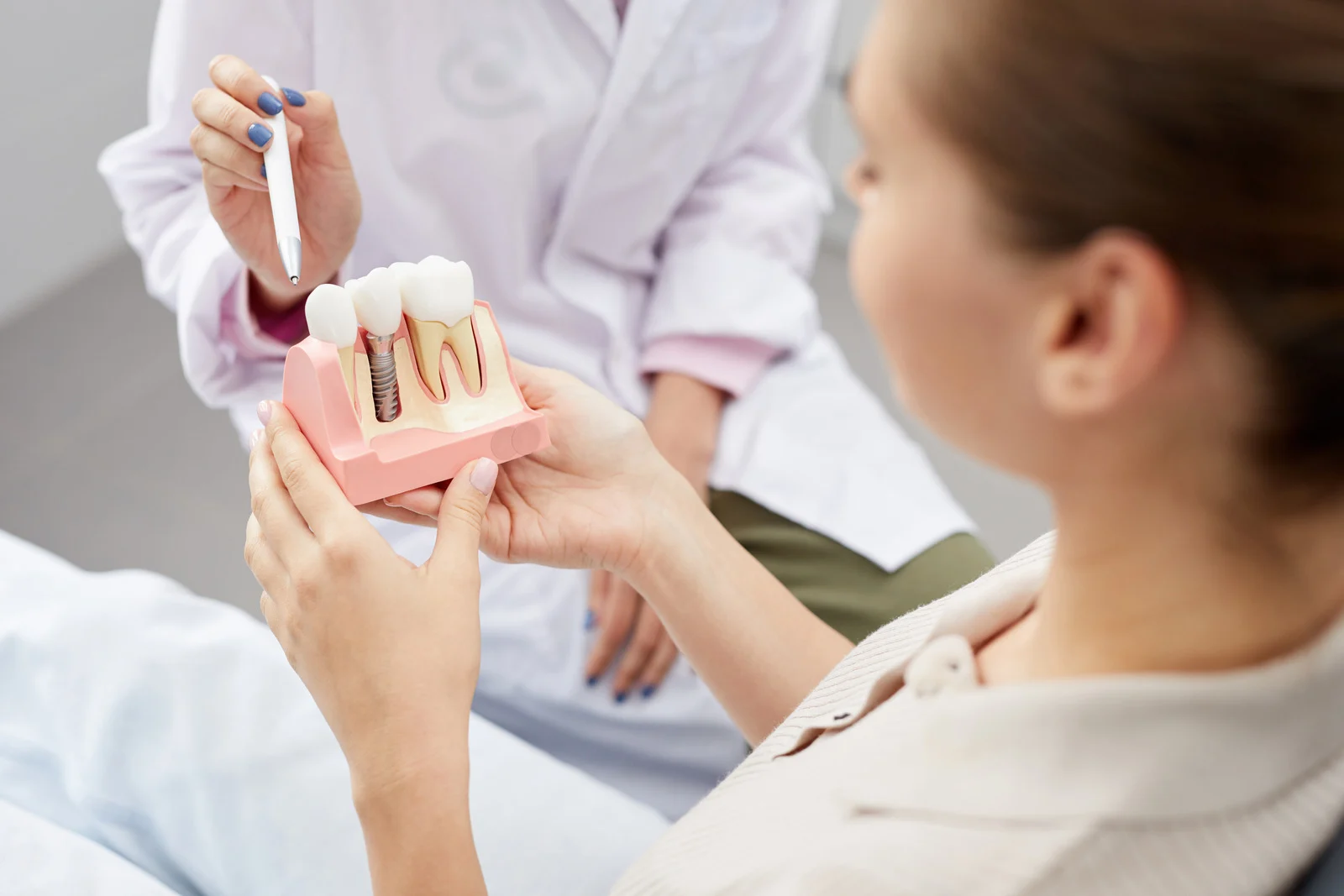
A dental implant is a small post, most often made of titanium, that sits in the jawbone and acts like a tooth root. Over a few months the bone bonds to it, which is called osseointegration. Once it is stable, a crown, bridge or denture is attached on top.
The post itself is similar across most treatments. What changes is what sits on top and how many posts are needed. That is what we mean by "type" in the rest of this guide.
A single implant with a single crown is usually the first choice for one missing tooth. It stands alone, so the teeth either side are left untouched. You clean it much like a natural tooth.
At Limes, implant surgery starts from £995 and the implant crown starts from £895. Both figures are on our fees page. Your exact plan depends on bone, gum health and the position of the tooth, and you will have it in writing before treatment starts.
You do not always need one implant per missing tooth. Two implants can often support a small bridge of three or four teeth. This keeps the cost and the number of surgical sites down.
If you are weighing this against a conventional tooth-supported bridge, we explain whether a bridge or an implant is the better fit in a separate guide. The key difference is that an implant bridge does not rely on the neighbouring teeth.
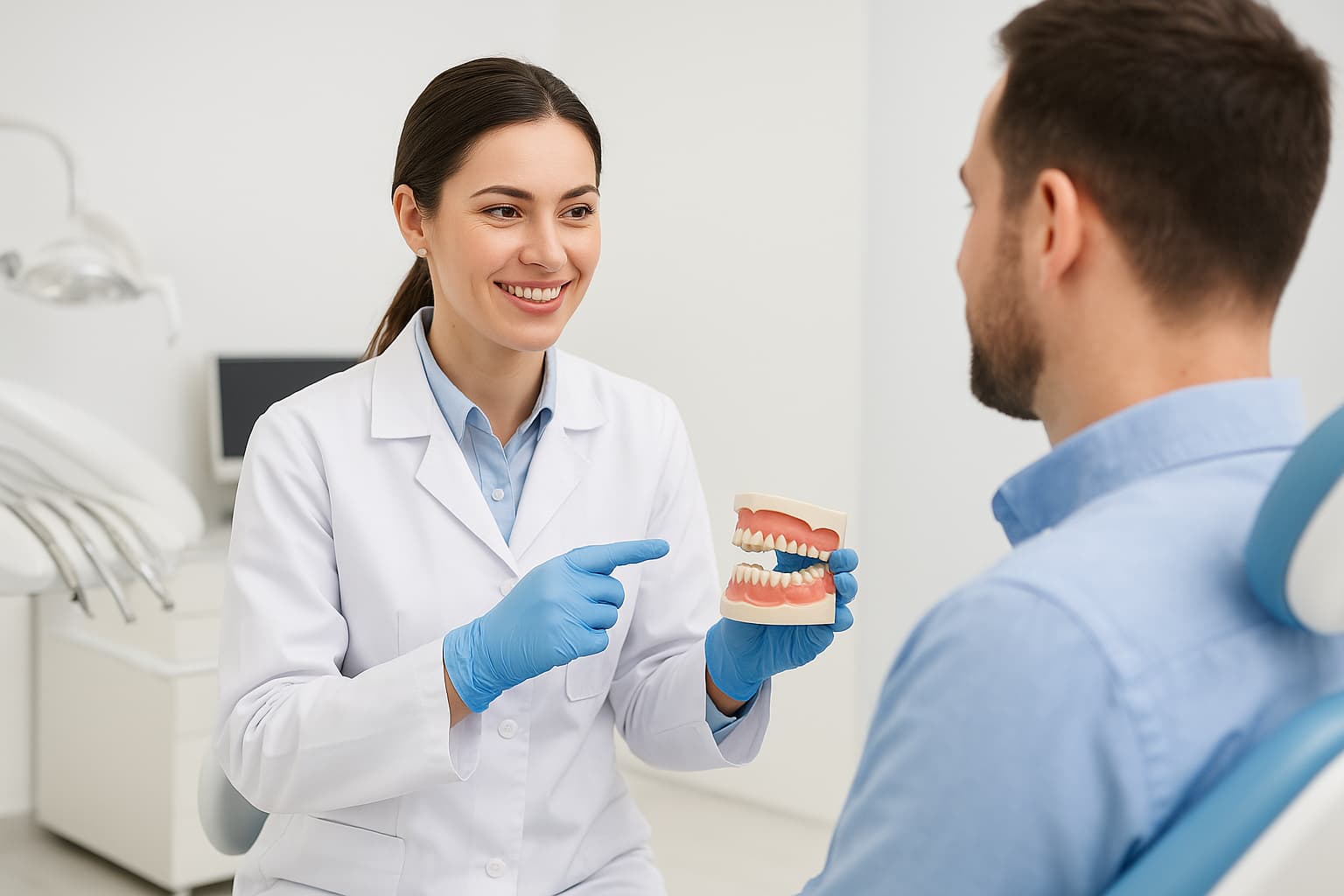
For a full arch, there are two broad routes.
Fees for multiple implants and full arch treatment are not a fixed figure. They are quoted after your scan and consultation.
Four things usually decide it.
A scan and an honest conversation answer these questions far better than a website can. Dr Andrew Connolly, who holds an MSc in implant dentistry, will talk you through the choices without pressure.
If you are not sure which route fits, the best next step is a consultation. We will look at your teeth, take the scans we need and explain your options in plain language. You can read more about implant treatment at our Stroud Road practice, or you can book an implant consultation directly. For general background on how implant surgery works, the Mayo Clinic overview of dental implant surgery is a helpful independent read.